The Evolution of Custom Configurator Software for Factories
In today's rapidly evolving manufacturing landscape, custom configurator software has emerged as a game changer for factories handling complex, made-to-order products. These tools allow manufacturers to streamline their operations, enhance customer engagement, and optimize production workflows by offering tailored solutions that meet unique client specifications. As we look into 2026 and beyond, understanding the lineage and present capabilities of configurator software will be crucial for manufacturing success. The integration of custom configurator software for factories not only simplifies processes but also connects businesses with their production capabilities, creating a seamless flow from customer inquiry to order fulfillment.
Understanding the Basics of Configurator Software
At its core, configurator software allows users to create and modify products through a visual interface. These systems are particularly advantageous for manufacturers that produce complex items with numerous components and variations. By leveraging configurator software, businesses can simplify the product selection process for both customers and sales representatives, ensuring that all configurations align with production capabilities. This software is not merely a digital tool but a powerful bridge linking the design, sales, and manufacturing processes, enhancing collaboration and efficiency.
Key Features of Modern Custom Configurators
Modern custom configurator software incorporates several essential features that enhance user experience and operational efficiency:
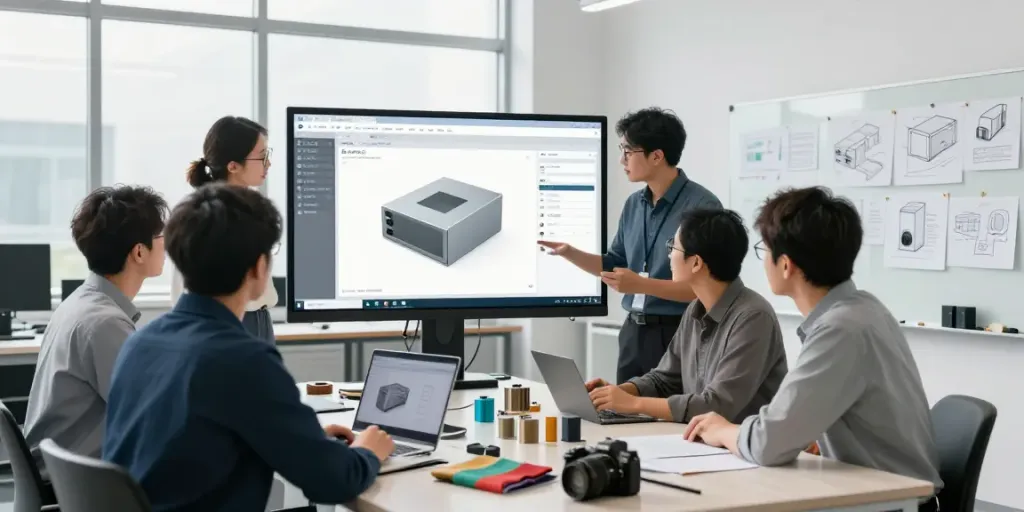
- 3D Visualization: Real-time 3D rendering allows users to see their custom configurations come to life, aiding in decision-making.
- Dynamic Pricing: As users select different options, the pricing adjusts automatically, providing instant feedback on costs.
- Bill of Materials (BOM) Generation: Accurate BOMs can be generated based on user selections, streamlining the manufacturing process.
- Integration Capabilities: The ability to connect with existing ERP, CRM, and other systems ensures seamless data flow across the organization.
- Custom Workflow Management: Manufacturers can tailor workflows to fit their unique sales and production processes.
Benefits of Adopting Configurator Software in 2026
The adoption of configurator software in manufacturing presents numerous benefits:
- Enhanced Customer Engagement: Customers can visualize their products, leading to higher satisfaction and confidence in their choices.
- Reduced Errors: By automating the configuration process, the likelihood of human error decreases significantly.
- Faster Turnaround Times: Streamlined processes from design to production allow for quicker order fulfillment.
- Increased Sales Opportunities: Configurators can guide users to complementary products or upgrades, driving additional sales.
- Improved Production Efficiency: Accurate data on customer preferences allows factories to better anticipate demand and optimize production schedules.
Challenges in Implementing Custom Configurator Solutions
While the benefits of configurator software are significant, manufacturers may face several challenges during implementation. Understanding and addressing these issues is critical for a smooth transition.
Common Misconceptions About Configurator Software
One prevalent misconception about configurator software is that it is only suitable for large-scale operations. In reality, even small to medium-sized manufacturers can reap substantial benefits from customized configurators tailored to their specific product lines and operational needs.
Integration Difficulties with Existing Systems
Another challenge lies in integrating new configurator software with existing systems. Many manufacturers still use legacy systems that may not communicate well with modern solutions, posing a risk of data silos. Successful integration requires a thorough analysis of existing workflows and systems alongside careful planning to ensure compatibility.
Overcoming User Resistance and Training Needs
Resistance from employees can also hinder the effective implementation of configurator solutions. Ensuring that staff are adequately trained and see the value in using the software is crucial. Providing demonstrations, hands-on training, and ongoing support can help alleviate fears and foster a more positive reception.
Best Practices for Custom Configurator Implementation
To maximize the potential of configurator software, manufacturers should consider implementing best practices during the deployment phase.
Steps to Effectively Launch a Configurator for Your Factory
Launching a configurator involves several key steps:
- Conduct a Needs Assessment: Understand what your customers need and what your production capabilities are.
- Map Out Workflows: Establish clear workflows that reflect how the configurator will fit into your existing processes.
- Select the Right Software: Choose custom configurator software that aligns with your operational requirements and can grow with your business.
- Test and Iterate: Launch a pilot version of the configurator to gather user feedback and improve functionality before full deployment.
Ensuring User-Friendliness and Accessibility
For your configurator to be effective, it must be user-friendly. This can be achieved by:
- Implementing intuitive navigation and interfaces
- Providing comprehensive help resources
- Ensuring fast loading times and mobile compatibility
Maintaining Continuous Improvement and Feedback Loops
The deployment of configurator software should not be seen as a one-time project. Regularly updating the software based on user feedback and changing market conditions will help maintain its relevance and effectiveness.
Real-World Applications of Custom Configurators
Real-world examples of successful configurator software implementations illustrate the potential benefits for manufacturers across various sectors.
Case Study: Success in Complex Product Configurations
Consider the case of a manufacturer that produces custom garden structures. By implementing a 3D configurator, they allowed customers to visualize their product selections in real-time, resulting in a significant increase in customer satisfaction and a 30% boost in sales.
Industry-Specific Examples of Configurator Implementations
Numerous industries, from furniture to industrial machinery, have successfully adopted custom configurators. For example, furniture manufacturers use configurators to allow customers to select upholstery, finishes, and dimensions, while ensuring that all selections are compatible with their manufacturing capabilities.
Measuring ROI and Performance Metrics
Measuring the return on investment (ROI) from configurator software is essential. Key performance metrics may include:
- Reduction in order processing time
- Decrease in errors and returns
- Increase in sales volumes
- Improved customer engagement
The Future of Custom Configurator Software in Manufacturing
The landscape of custom configurator software is poised for significant advancements as technology continues to evolve, especially in 2026 and beyond.
Predicted Trends for Configurator Software Beyond 2026
As manufacturers seek to remain competitive, several trends are expected to shape the future of configurator software:
- AI Integration: Incorporating artificial intelligence will further personalize the user experience, offering tailored recommendations based on past selections.
- AR and VR Capabilities: Augmented and virtual reality features will enhance the visualization aspect, allowing customers to interact with products in their environments.
- Cloud-Based Solutions: These solutions will facilitate better collaboration among team members and stakeholders regardless of their location.
Emerging Technologies Reshaping Configurator Capabilities
Emerging technologies are set to enhance the capabilities of configurators. Developments in machine learning and data analytics will enable more sophisticated pricing models and inventory management solutions tailored to real-time demand.
Expert Insights on the Continuous Evolution of Custom Configurators
Industry experts agree that custom configurators will continue to evolve, becoming increasingly integral to the manufacturing process. As software capabilities expand, manufacturers must stay informed and adapt to leverage these advancements for improved efficiency and customer satisfaction.
What are the key benefits of custom configurator software for factories?
The key benefits include reduced errors, enhanced customer engagement, faster turnaround times, and improved production efficiency, all of which contribute to a more streamlined operation.
How can configurator software streamline manufacturing processes?
By automating product configuration, generating BOMs, and integrating with existing systems, configurator software reduces manual work and enhances overall workflow efficiency.
What challenges do factories face when implementing configurator solutions?
Common challenges include integration difficulties with existing systems, user resistance, and misconceptions about the applicability of configurators in smaller operations.
How do I choose the right configurator software for my factory?
Selecting the right configurator software involves assessing your specific needs, considering scalability, integration capabilities, and user-friendliness.
What features should I look for in effective custom configurator software?
Essential features include 3D visualization, dynamic pricing, BOM generation, and robust integration capabilities with existing systems.