1. Understanding Automatic Bag Palletizers
In the fast-paced world of manufacturing and packaging, efficiency is key. Automatic bag palletizers represent a critical innovation for businesses that require streamlined operations in handling products packed in bags. These machines automate the process of stacking bags onto pallets, which significantly enhances workflow and reduces labor costs. With advanced technology and design, an automatic bag palletizer machine can handle various bag sizes and materials, making it an essential asset for many industries.
1.1 What is an Automatic Bag Palletizer Machine?
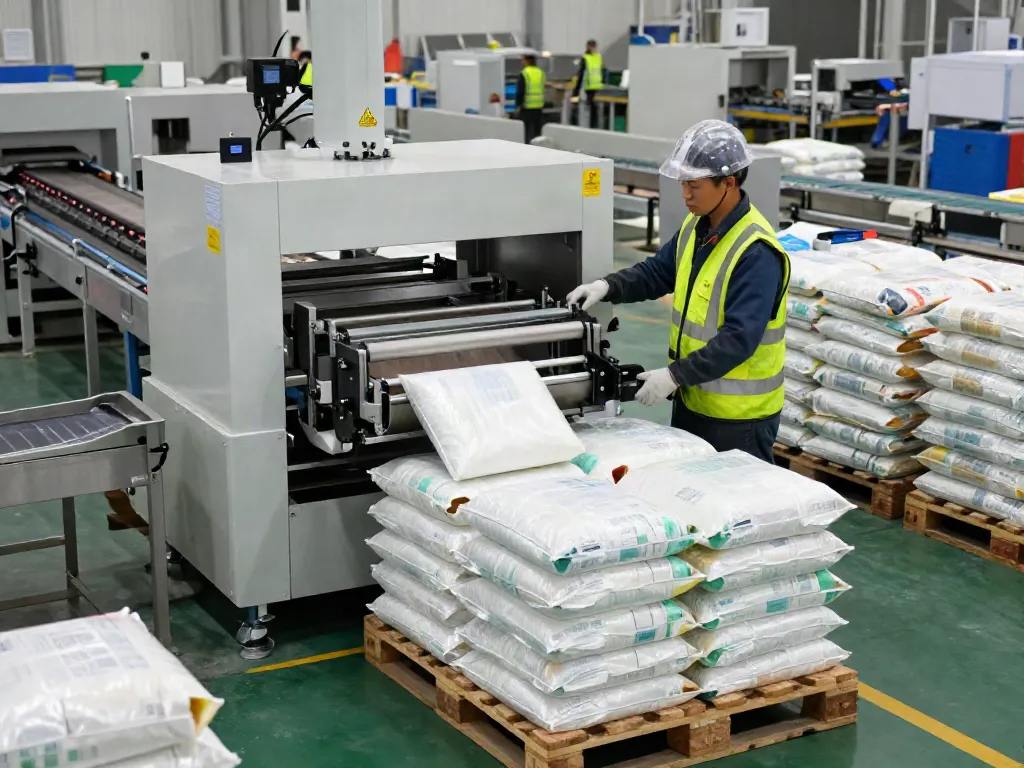
An automatic bag palletizer machine is a device designed to automatically load bags onto pallets for easy storage and transportation. Typically found at the end of production lines, these machines utilize robotic arms or mechanical systems to grab, lift, and stack bags on pallets. They are engineered to operate efficiently, reducing the need for manual intervention and minimizing the risk of workplace injuries.
1.2 How Automatic Bag Palletizers Enhance Production
With the advent of automatic bag palletizers, companies have seen a remarkable increase in production capacity. These machines can operate at high speeds, stacking dozens of bags per minute, thereby accelerating the output compared to manual palletizing. This boost in speed is complemented by enhanced accuracy, resulting in well-organized pallet loads that are crucial for storage and shipping.
1.3 Key Technologies in Modern Bag Palletizers
Today’s bag palletizers are equipped with state-of-the-art technologies such as vision systems and advanced sensors, ensuring the precise handling of each bag. These systems monitor the alignment of bags, detect damaged products, and allow for adjustments on the fly, optimizing the entire palletizing process. Additionally, the incorporation of automation and robotics makes these machines not only faster but also more reliable.
2. Benefits of Implementing an Automatic Bag Palletizer Machine
Implementing an automatic bag palletizer can revolutionize packaging operations. Let’s explore some of the key benefits this technology offers to businesses.
2.1 Increased Efficiency and Production Speed
One of the primary advantages of using an automatic bag palletizer is the significant increase in efficiency and production speed. By automating the palletizing process, businesses can achieve higher throughput, reducing bottlenecks and ensuring that products are delivered to customers faster than ever before.
2.2 Cost Savings and ROI Considerations
Investing in an automatic bag palletizer can lead to substantial cost savings in the long run. Although the initial investment may seem high, the reduction in labor costs, combined with increased productivity, typically results in a strong return on investment within a few years. Moreover, machines with lower failure rates minimize downtime, enhancing overall profitability.
2.3 Improved Worker Safety with Automation
Manual palletizing can pose significant safety risks due to the heavy lifting involved. Automating this process mitigates these risks, allowing companies to provide a safer working environment for their employees. This not only enhances employee morale but also reduces the frequency and costs associated with workplace injuries.
3. Key Features to Look for in a Bag Palletizer
When selecting an automatic bag palletizer for your operations, certain features can make a significant difference in performance and usability.
3.1 Versatility for Different Bag Types
It is essential that the bag palletizer can handle various types and sizes of bags. Whether your products are small and lightweight or heavy and large, a versatile machine can accommodate these differences without requiring extensive adjustments.
3.2 User-Friendly Interfaces and Controls
Modern bag palletizers should offer intuitive interfaces that allow operators to control and monitor the machine’s performance easily. User-friendly controls can help minimize training time and ensure smoother operations across shifts.
3.3 Maintenance and Support for Long-term Use
Lastly, consider the maintenance requirements of the bag palletizer. Machines that are easy to maintain and come with reliable customer support can enhance operational longevity and reduce unexpected breakdowns, which can disrupt production.
4. Common Challenges in Bag Palletizing Automation
While the advantages of automatic bag palletizers are clear, businesses may encounter several challenges during the implementation process.
4.1 Addressing Compatibility Issues with Existing Systems
Integrating a new automatic bag palletizer with existing production lines can be complex. Companies must assess whether their current systems can accommodate additional automation without significant modifications or costly upgrades.
4.2 Overcoming Workforce Resistance to Automation
As with any new technology, there can be resistance from employees who may fear job loss or changes in their daily tasks. Clear communication about the benefits of automation and how it enhances job safety and efficiency can help address these concerns.
4.3 Ensuring Quality Control in Automated Processes
Maintaining product quality during automated palletizing is crucial. Ensuring that the palletizer is equipped with quality control checks can prevent issues related to damaged or improperly stacked bags before they reach the shipping stage.
5. Future Trends in Automatic Bag Palletizer Machines
The landscape of packaging automation is continually evolving. Future trends indicate exciting advancements that promise to enhance the capabilities of automatic bag palletizers.
5.1 Innovations on the Horizon for 2026 and Beyond
As technology progresses, we can expect to see more innovations, including enhanced machine learning algorithms that will allow palletizers to adapt to changing manufacturing needs in real-time, further optimizing efficiency.
5.2 The Role of AI and Machine Learning in Efficiency
Artificial intelligence (AI) and machine learning are poised to play a critical role in the future of bag palletizing automation. These technologies can analyze production data to predict maintenance needs, optimize stacking patterns, and improve overall system performance.
5.3 Sustainability Considerations in Packaging Automation
As sustainability becomes a focal point in industry practices, future bag palletizer machines are expected to incorporate eco-friendly materials and energy-efficient operations, aligning with global efforts to reduce environmental impact.
Frequently Asked Questions
How much does a robotic palletizer cost?
The cost of a robotic palletizer can vary significantly depending on specifications, capabilities, and the manufacturer. On average, prices start at around $100,000 and can go upwards of $500,000 for more advanced systems.
What are the best automated bagging systems?
The best automated bagging systems will depend on your specific operational needs. Factors to consider include the size, weight, and material of the bags, as well as the required speed and automation level.
What are the different types of palletizer machines?
Palletizers can generally be categorized into robotic, conventional, and hybrid systems. Each type has its unique advantages depending on application and environment.
What is palletizing automation?
Palletizing automation refers to the use of machines to automatically stack products onto pallets, optimizing the packing process and reducing manual labor.
How to choose the right bag palletizer for your business?
Choosing the right bag palletizer requires an analysis of your production process, including bag types, volume, and required automation level. Consulting with manufacturers can provide valuable insights tailored to your specific needs.