Understanding Containerized Water Treatment Systems
In an ever-evolving world where water scarcity and quality concerns continue to rise, the need for effective water treatment solutions has never been more critical. Containerized water treatment systems offer a modular and flexible methodology, capable of addressing the diverse and dynamic challenges faced by municipal, industrial, and remote applications. These systems not only allow for quick deployment but also provide the adaptability necessary to accommodate evolving needs, ensuring clean and safe drinking water regardless of the incoming water quality. As a water treatment systems manufacturer, QILEE specializes in creating state-of-the-art containerized solutions that guarantee high-purity water production.
What are Containerized Water Treatment Systems?
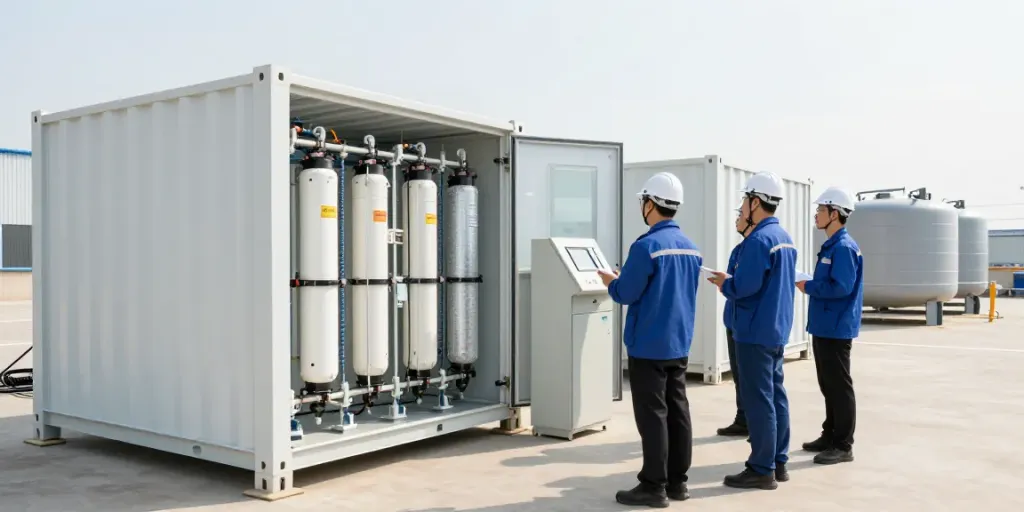
Containerized water treatment systems are self-contained units designed to treat water efficiently and effectively. Constructed within transportable containers, these systems integrate various treatment processes—such as filtration, reverse osmosis, and UV disinfection—into a compact, mobile solution. The key innovation lies in their modular nature, which allows for customization according to specific water treatment needs and regional regulations. Built for easy deployment, these systems can be shipped to a location and set up rapidly, often within days instead of months.
Core Features and Benefits of Modular Systems
One of the most significant advantages of containerized systems is their modular architecture, which offers several core features:
- Rapid Deployment: Typically requiring just 3 to 7 days for on-site installation, these systems drastically shorten the setup cycle compared to traditional treatment systems.
- Space Efficiency: Compact design saves up to 50% in floor space, making them ideal for areas where land use is restricted.
- Intelligent Control: Equipped with advanced monitoring technologies, these systems facilitate real-time oversight and remote operation, enhancing operational efficiency and reliability.
- High Reusability: With a reusability rate exceeding 90%, containerized systems allow for easy relocation and repurposing as community and industrial needs change.
- Resource Recycling: Many containerized systems support integration with reclaimed water reuse modules, achieving a resource recycling rate of up to 80%.
Applications in Various Industries
Containerized water treatment systems serve a myriad of applications across different sectors:
- Municipal Applications: Rapidly deployable systems are ideal for communities facing emergency water shortages or seeking temporary solutions during infrastructure upgrades.
- Industrial Applications: Industries that require high-purity water, such as pharmaceuticals and laboratories, benefit from advanced containerized RO and RO-EDI integrated systems.
- Remote Locations: These systems are perfect for remote or disaster-stricken areas where traditional water infrastructure is unavailable or severely damaged.
- Agriculture: Containerized solutions can provide essential irrigation water while minimizing waste and promoting sustainable practices.
Comparative Analysis with Traditional Water Treatment Systems
Deployment Time and Flexibility
Traditional water treatment systems often require extensive civil engineering and complex site preparation, leading to lengthy installation times that can stretch from 3 to 6 months. In contrast, containerized systems leverage prefabrication, significantly reducing deployment time to just a few days. This flexibility ensures that communities and industries can swiftly adapt to changing water treatment needs, allowing for faster responses in critical situations.
Operational Efficiency and Space Utilization
Another stark contrast lies in space utilization. Traditional systems demand considerable land space, often resulting in higher operational costs and logistical challenges. Conversely, containerized systems occupy a fraction of that space while requiring only a flat ground area for placement. This efficiency makes them a more attractive option in dense urban settings or locations with land constraints.
Quality Control and Automation in Water Treatment
Quality control is paramount in water treatment, and containerized systems are engineered for consistent performance. Unlike traditional systems that may suffer from varying on-site construction quality, containerized solutions benefit from comprehensive factory prefabrication and standardized inspections. The incorporation of intelligent control systems enables real-time monitoring, significantly enhancing operational reliability and response times to any potential issues.
Key Advantages of Choosing a Containerized Solution
High Purity Water Production
High-purity water is essential for many applications, especially in the pharmaceutical and manufacturing sectors. Containerized systems are designed to deliver superior water quality through advanced treatment technologies that ensure the removal of impurities and contaminants. This capability is vital for maintaining compliance with stringent industry standards and regulations.
Environmental Sustainability and Resource Recycling
In today’s environmentally conscious landscape, sustainability is more important than ever. Containerized water treatment systems are not only designed with efficiency in mind but also prioritize resource recycling. With the ability to integrate reclaimed water reuse modules, they can significantly contribute to local sustainability efforts and reduce the overall environmental footprint of water treatment processes.
Cost-Effectiveness Comparison
When considering cost, containerized systems often provide a better return on investment. The reduced setup time, lower operational space requirements, and enhanced efficiency lead to lower overall costs. Furthermore, their high reusability rate means that organizations can repurpose the systems for different projects, maximizing their investment over time.
Meeting Regulatory Standards in Water Treatment
Compliance with Local and International Regulations
Water treatment systems must comply with various regulations set by local and international governing bodies. Containerized solutions are manufactured to meet these standards, ensuring they are eligible for use in diverse locales while maintaining water quality assurance.
Quality Assurance Practices for Manufacturers
To ensure that containerized systems meet regulatory standards, manufacturers like QILEE implement rigorous quality assurance practices throughout the production process. From material selection to final inspections, every stage is monitored to guarantee optimal performance and compliance.
Certifications and Industry Standards to Consider
When selecting a containerized water treatment system, it’s crucial to consider certifications such as ISO 9001, which ensures quality management practices are in place. Additionally, adherence to standards set by organizations like the Environmental Protection Agency (EPA) and World Health Organization (WHO) can provide additional assurance of product reliability and safety.
Future Trends in Water Treatment for 2026 and Beyond
Innovations and Emerging Technologies in Water Treatment
The future of water treatment will be shaped by continued advancements in technology. Innovations such as AI-driven monitoring systems and advanced filtration techniques are expected to enhance efficiency and reduce operational costs even further. Adaptability will be crucial, and containerized systems are well-positioned to leverage these technologies to meet evolving challenges in the water treatment landscape.
Market Predictions for Containerized Systems
As awareness of water scarcity issues grows globally, the demand for containerized water treatment systems is projected to rise. Market analysis indicates a shift towards mobile and adaptable solutions, indicating that manufacturers capable of offering cutting-edge, customizable systems will lead in the forthcoming decade.
Impact of Climate Change on Water Treatment Solutions
Climate change poses significant challenges to water resources, from droughts to floods, all of which can strain existing infrastructure. Containerized water treatment systems' inherent flexibility allows for rapid deployment in response to climate-related events, ensuring that communities have access to safe drinking water when they need it most. The ability to adapt and recycle resources will be increasingly vital in a changing environment.