Understanding the Basics of Glass Cutting Machines
Glass cutting machines have revolutionized the way glass is processed in various industries, from construction to art. These machines provide precision and efficiency, enabling users to create intricate designs or simply cut glass to size. If you are considering investing in a glass cutting machine, understanding the different types and their functionalities will help you make an informed decision.
What is a Glass Cutting Machine?
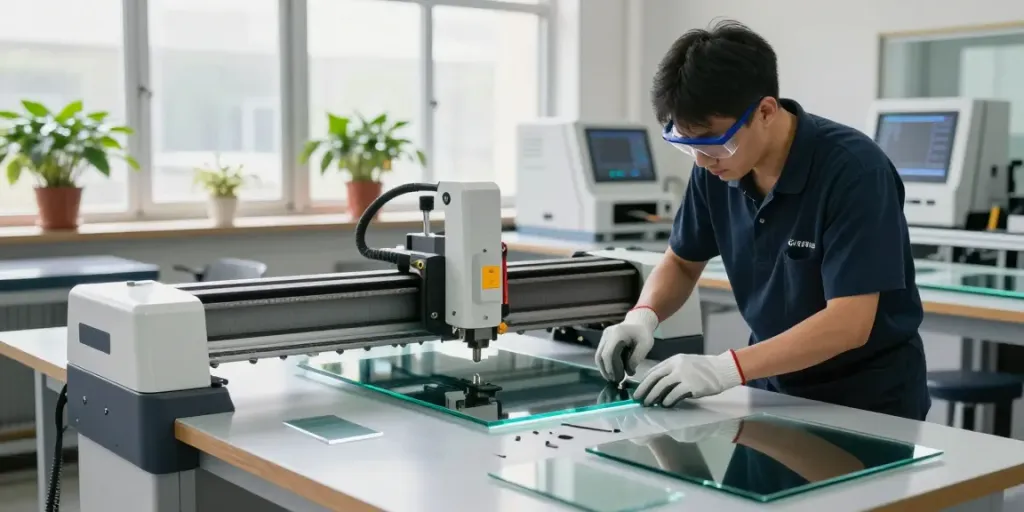
A glass cutting machine is a specialized device used to cut glass sheets into desired shapes and sizes. This equipment varies based on its intended use, ranging from manual cutters operated by hand to complex automated systems that can manage large production volumes. The primary function of any glass cutting machine is to make a precise cut, minimizing waste and maximizing efficiency.
Types of Glass Cutting Machines
- Manual Glass Cutters: Basic tools that operate on a simple mechanism where the user applies pressure to score the glass, then snaps it along the score line.
- Automatic Glass Cutting Machines: These machines usually feature a conveyor system that feeds the glass into the cutting area, with automatic scoring and breaking mechanisms.
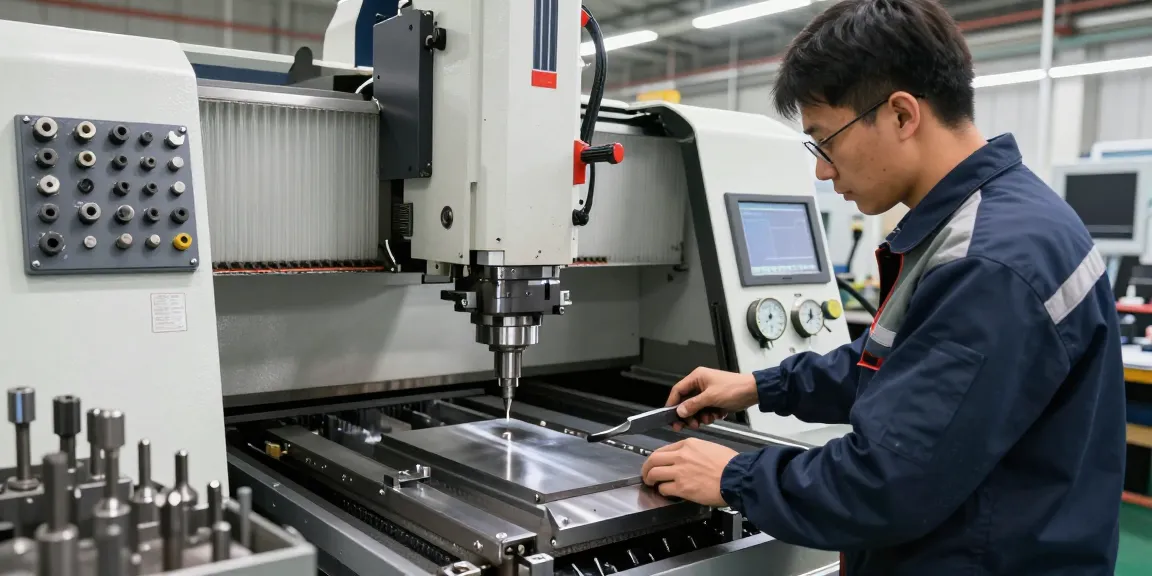
- CNC Glass Cutting Machines: Computer Numerical Control (CNC) machines offer precise cuts through computer programming, which is ideal for intricate designs and large-scale production.
- Laser Glass Cutting Machines: Utilizing laser technology, these machines provide high precision and can cut complex shapes with minimal waste.
Key Components of a Glass Cutting Machine
Understanding the key components of a glass cutting machine can help users maintain and operate it effectively. Major components include:
- Cutting Head: The mechanism that scores the glass, which can be manual or automated.
- Table: The surface on which the glass is placed for cutting, which may be equipped with vacuum systems to hold the glass steady.
- Control Interface: This allows the operator to set parameters for cutting speed, depth, and pattern, especially in CNC machines.
- Support Arms: These help to stabilize larger sheets of glass during the cutting process.
Choosing the Right Glass Cutting Machine for Your Needs
When selecting a glass cutting machine, it's essential to assess your specific needs and project requirements. Different applications will dictate the type of machine that will serve you best as features and capabilities vary across models.
Assessing Your Project Requirements
Your project requirements will heavily influence the type of glass cutting machine you should invest in. Consider factors such as:
- Volume of Production: Higher production demands may require automatic or CNC machines.
- Type of Glass: Different machines work better with certain glass types, such as float glass versus tempered glass.
- Detail and Precision: If your projects involve intricate designs, advanced machines like laser-cutters may be necessary.
Top Brands in the Glass Cutting Machine Market
Several reputable brands dominate the glass cutting machine market, recognized for their reliability and innovation. Some of the top names include:
- Eworld Machinery: A leading manufacturer known for high-performance glass cutting machines.
- CMS Glass Machinery: Offers a wide variety of automatic cutting tables and systems.
- Fletcher-Terry: Known for their manual and automatic glass cutting solutions.
- Delphi Glass: Provides tools for both hobbyists and professionals.
Price Range and Budget Considerations
The price of glass cutting machines can vary significantly depending on their type and capabilities. Manual cutters can cost as little as a few hundred dollars, while automated systems and CNC machines can range from several thousand to tens of thousands of dollars. It's vital to set a budget while also considering the long-term benefits of investing in a machine that meets your needs effectively.
Best Practices for Operating Glass Cutting Machines
To ensure the safety and longevity of your glass cutting machine, adhering to specific best practices is crucial. Understanding these practices will not only enhance your cutting efficiency but also help avoid common issues that could arise during operations.
Safety Precautions When Using Glass Cutting Machines
Safety should always be the top priority when operating glass cutting machines. Key precautions include:
- Wear Protective Gear: Always use safety glasses and gloves to protect yourself from glass shards.
- Follow Operating Instructions: Read and understand the manufacturer’s manual for proper operation and maintenance guidelines.
- Maintain a Clean Workspace: Keep the cutting area clean and free of debris to prevent accidents.
Maintaining Your Glass Cutting Machine for Longevity
Proper maintenance is essential for the longevity of your glass cutting machine. Regular checks and servicing can prevent unforeseen breakdowns. Consider these maintenance tips:
- Regular Cleaning: Keep the cutting surface and components free from dust and glass particles.
- Lubrication: Periodically lubricate moving parts according to the manufacturer’s recommendations.
- Scheduled Inspections: Regularly inspect your machine for any signs of wear or damage.
Common Mistakes to Avoid While Cutting Glass
Even experienced operators can make mistakes. Here are some common pitfalls to avoid:
- Incorrect Scoring: Failing to score the glass deeply enough can lead to uneven breaks.
- Forgetting to Adjust Settings: Always ensure you’ve set the machine to the appropriate parameters based on your material.
- Neglecting Safety Measures: Avoid shortcuts; always use safety equipment and follow protocols.
Advanced Techniques for Professional Glass Cutting
For professionals in the glass cutting industry, mastering advanced techniques can significantly enhance the quality and efficiency of their work. These techniques often involve utilizing modern technologies and methods that push the boundaries of traditional glass cutting.
Using CNC Technology for Glass Cutting
CNC technology has transformed how glass is cut, offering unparalleled precision and repeatability. This technology allows operators to design intricate patterns using software that directly interfaces with the machine, streamlining the production process while reducing labor costs.
Incorporating Laser Cutting Techniques
Laser cutting provides high precision and clean edges, making it ideal for detailed designs or when working with delicate materials. Investing in laser technology can enable businesses to expand their service offerings and meet higher market demands.
Creative Applications of Glass Cutting Machines
Beyond conventional uses, glass cutting machines can serve creative applications, including:
- Custom Glass Art: Artists create unique glass pieces that combine various colors and textures.
- Architectural Glass Features: Personalized glass installations for buildings, enhancing aesthetics and functionality.
- Stained Glass Windows: Crafting customized stained glass designs for homes and places of worship.
Future Trends in Glass Cutting Technology in 2026 and Beyond
The glass cutting industry is continually evolving, with technological advancements paving the way for new capabilities and efficiencies. Staying informed about future trends can help businesses prepare for changes in the market and adopt innovative solutions.
Emerging Innovations in Glass Cutting Machines
Innovations in robotics and artificial intelligence are beginning to influence the design and functionality of glass cutting machines. Future machines may have self-learning capabilities, allowing them to optimize cutting patterns based on past performance data.
How Automation is Shaping the Glass Cutting Industry
As automation becomes more prevalent, glass cutting operations are witnessing enhanced productivity and reduced labor costs. Fully automated systems are expected to dominate the market, particularly in high-volume manufacturing settings.
Environmental Considerations and Sustainable Practices
Environmental sustainability is becoming an essential factor in the manufacturing process. Glass cutting machines are now being designed to reduce energy consumption and waste, contributing to greener practices within the industry.
What Are the Latest Market Developments?
As of 2026, the glass cutting machine market is expected to grow steadily, driven by demands in construction, automotive, and decorative glass sectors. Companies that prioritize innovation, sustainability, and customer-centric solutions will likely lead the charge in this evolving landscape.