Understanding CNC Machining Parts
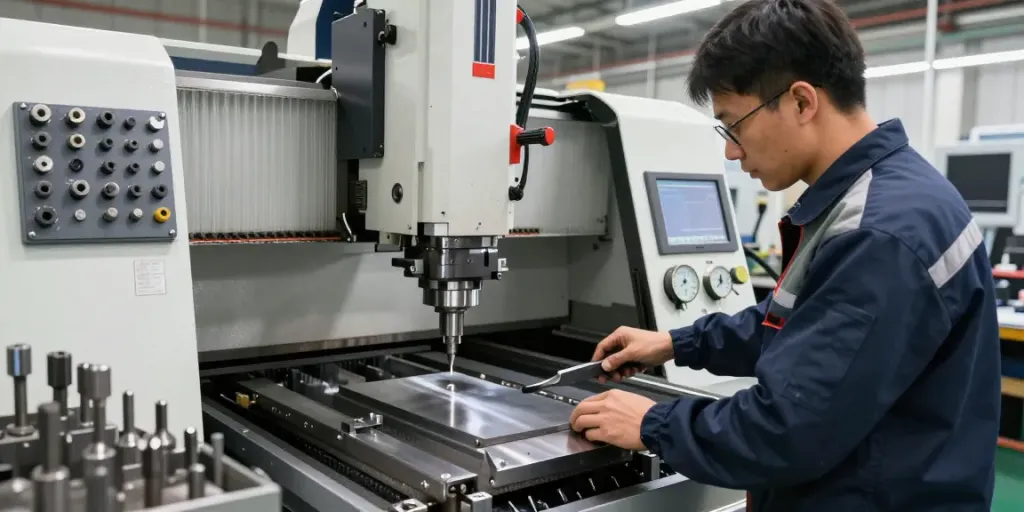
CNC machining parts are integral components in the manufacturing landscape, enabling high precision and efficient production. These parts are created through a process where computer-controlled machines remove material from a solid block of material to shape it into a desired form. With advancements in technology, CNC machining has evolved, offering faster turnaround times and improved accuracy, making it a preferred choice across various industries.
What are CNC Machining Parts?
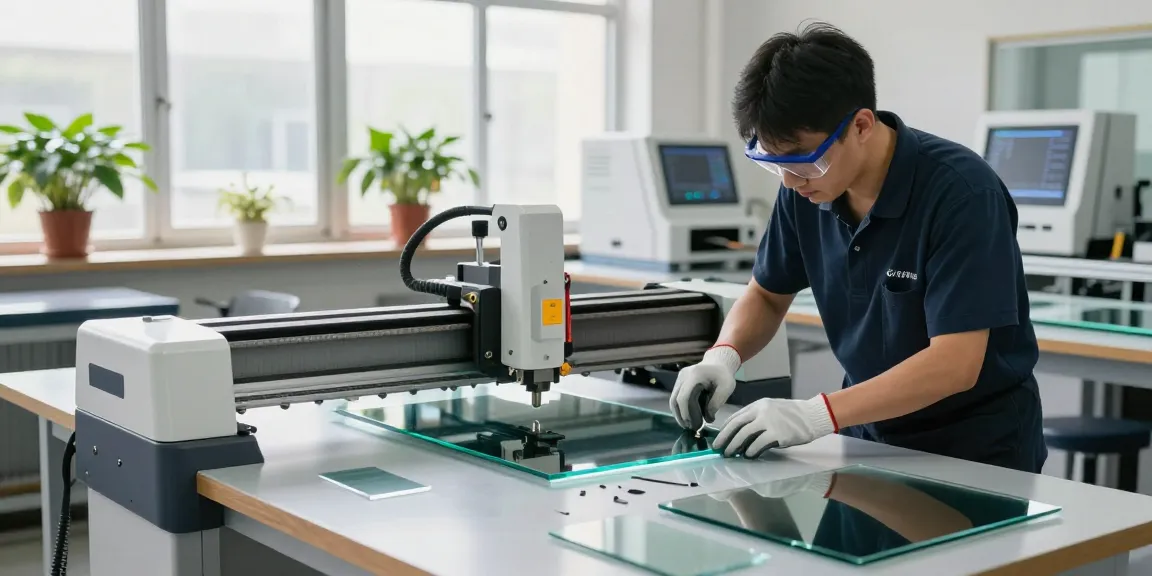
At its core, CNC (Computer Numerical Control) machining is a manufacturing process that uses computer software to control machine tools. CNC machining parts are the end products of this process, which can range from simple shapes to complex geometries. Common materials used include metals like aluminum and steel, plastics, and even wood, depending on the application.
Common Applications of CNC Machining
CNC machining parts find usage in numerous sectors, including:
- Aerospace: Components like brackets, housings, and structural parts.
- Automotive: Engine components, transmission parts, and intricate fittings.
- Medical: Surgical instruments and orthopedic implants.
- Electronics: Housings and enclosures for devices.
When exploring options, cnc machining parts offer comprehensive solutions tailored to various industrial needs.
Key Characteristics of High-Quality Parts
High-quality CNC machining parts exhibit several essential characteristics:
- Precision: Tight tolerances are crucial for parts that fit together or perform specific functions.
- Surface Finish: A smooth finish minimizes friction and ensures better performance.
- Durability: Parts must withstand the stresses of their applications without failure.
Choosing the Right CNC Machining Supplier
Finding a reliable CNC machining supplier is vital for ensuring quality and maintaining efficiency in production. A good supplier can significantly influence your project's success.
Criteria for Selecting a CNC Machining Partner
Consider the following factors when selecting a CNC machining partner:
- Experience: Look for suppliers with a proven track record in industries similar to yours.
- Capabilities: Assess their machinery, technology, and material options to ensure they meet your requirements.
- Customer Service: A responsive and knowledgeable support team can make the collaboration smooth.
Evaluating Supplier Capabilities and Certifications
Certifications such as ISO 9001 can indicate a supplier's commitment to quality. Engaging in discussions about machinery capabilities, production processes, and previous projects can provide valuable insights into their operational standards.
Building Strong Relationships with Suppliers
Establishing a collaborative relationship with your supplier can lead to better results and enhanced communication. Regular check-ins, feedback sessions, and discussing long-term goals can help cultivate this relationship.
Cost Factors Affecting CNC Machining Parts
The cost of CNC machining parts can vary widely based on several factors, requiring a solid understanding of what influences pricing.
Understanding Pricing Models in CNC Machining
Pricing for CNC machining can depend on various aspects including material costs, machine time, and labor. Some suppliers may offer fixed pricing, while others operate on a quote basis depending on project specifics.
How Material Selection Influences Cost
Different materials come with varying costs. For example, titanium and stainless steel are more expensive than aluminum, influencing the total manufacturing cost. Understanding your project's material requirements can help manage expenditures effectively.
Tips to Reduce Manufacturing Costs
To minimize costs, consider the following strategies:
- Design Optimization: Simplifying designs can reduce material waste and machining time.
- Bulk Ordering: Ordering larger quantities can lower per-unit costs.
- Material Alternatives: Exploring different materials that meet your specifications can also reduce costs.
Best Practices for CNC Machining Optimization
Optimizing CNC machining processes can lead to significant enhancements in productivity and product quality.
Implementing Effective Design for Manufacturing (DFM)
DFM emphasizes designing products for easy manufacturing. By engaging engineers early in the design phase, you can identify potential issues and streamline the production process.
Maximizing Machine Utilization and Efficiency
Ensuring that machines are utilized to their fullest potential boosts efficiency. Regular maintenance and updates on technology can help in maintaining optimum performance levels.
Continuous Improvement in Production Processes
Employing methodologies like Lean Manufacturing can help reduce waste and improve overall productivity. Regular reviews of processes can identify areas for improvement and innovation.
Future Trends in CNC Machining for 2026
The CNC machining industry is on the brink of transformation, driven by emerging technologies and changes in market demand.
Emerging Technologies in CNC Machining
Technologies such as additive manufacturing and hybrid systems are becoming more prevalent. These advancements allow for the integration of more complex designs and reduce material waste, driving efficiency and sustainability.
Impact of Automation and Industry 4.0
Automation and smart manufacturing practices are reshaping the landscape of CNC machining. Incorporating IoT devices can optimize machine performance and predictive maintenance, enhancing productivity.
Adapting to Changes in Market Demand
As customization becomes more prevalent, CNC machining must adapt to meet the needs for shorter production runs and bespoke parts without sacrificing quality.