Understanding Water Heater Replacement Needs
Homeowners often face the dilemma of whether to repair or replace their water heaters. This decision can significantly impact comfort, energy efficiency, and overall household expenses. In Fort Worth, where the climate can stress home plumbing systems, understanding the nuances of water heater replacement Fort Worth is essential for ensuring that homeowners make informed choices that suit their needs.
Why Replace Your Water Heater?
Replacing a water heater is not just a matter of convenience; it can lead to significant savings on energy costs, enhanced safety, and improved water quality. Newer models often feature advanced technology that provides better insulation, reducing heat loss and improving efficiency. A replacement may become necessary due to age, performance issues, or even recent advancements in technology that older models simply can't match.
Signs Indicating the Need for Replacement
- Age: Most conventional water heaters last between 8 to 12 years. If your unit is nearing or past this age, consider replacement.
- Rusty Water: If your hot water appears rusty or has a metallic smell, this indicates corrosion inside the tank.
- Frequent Repairs: If you are repeatedly calling for repairs, it may be more cost-effective to replace the unit.
- Inconsistent Water Temperature: If you notice fluctuations in hot water availability, your heater may be struggling to function effectively.
Choosing the Right Type of Water Heater
When selecting a new water heater, homeowners in Fort Worth have several options including traditional tank water heaters, tankless models, and hybrid systems. Each comes with its benefits:
- Tank Water Heaters: These are the most common, storing a large volume of hot water that's ready when needed.
- Tankless Water Heaters: These heat water on-demand, providing an endless supply and saving space.
- Heat Pump Water Heaters: Utilizing electricity to move heat, these units are among the most energy-efficient options available.
Best Practices for Water Heater Replacement in Fort Worth
Preparing Your Home for Installation
Before installation, it's crucial to assess the location where the new unit will be placed. Ensure adequate space for the new heater, taking into account serviceability and ventilation requirements. Having a clear understanding of local building codes is essential, as this will guide the installation process effectively.
Hiring a Qualified Plumber: What to Look For
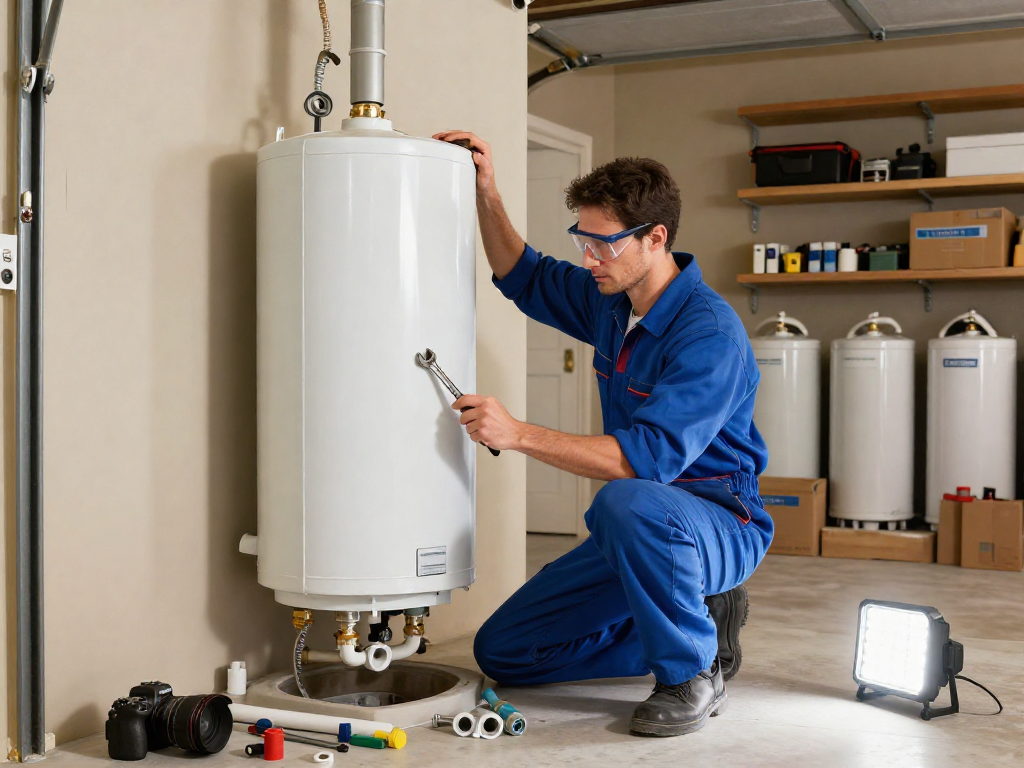
When hiring a plumbing professional for your water heater replacement, seek someone who is licensed, insured, and has good reviews from previous customers. Additionally, look for a plumber who is familiar with the specific requirements and common issues in the Fort Worth area.
Cost Factors in Water Heater Replacement
The cost of replacing a water heater can vary significantly based on several factors, including the type of unit, installation complexity, and any required upgrades to existing plumbing. On average, homeowners can expect to pay between $800 and $1,500 for a comprehensive replacement, including labor.
Common Challenges Homeowners Face
Dealing with Old Plumbing Systems
In older homes, plumbing systems may not accommodate modern water heaters without some upgrades. This can complicate the installation process and add to the overall cost.
Understanding Local Building Codes
Fort Worth has specific regulations governing plumbing and water heater installations. Familiarity with these codes is essential to avoid fines and ensure safety compliance.
Handling Unexpected Installation Issues
During installation, unforeseen challenges, such as outdated wiring or inadequate drainage systems, may arise. Being prepared for these possibilities can help mitigate installation delays and additional costs.
Maximizing Performance and Efficiency of New Water Heaters
Energy-Efficient Models and Their Benefits
Investing in energy-efficient water heaters can result in lower utility bills and a smaller carbon footprint. Look for units with high energy ratings and consider models that qualify for local rebates or incentives.
Regular Maintenance Tips for Longevity
To ensure the longevity of your new water heater, perform regular maintenance, such as flushing the tank annually, checking the anode rod, and inspecting for leaks. These small tasks can prevent significant repairs down the road.
Understanding Warranties and Guarantees
When purchasing a new water heater, it's critical to understand the warranty terms. Know what parts are covered and the duration of coverage. This information can save homeowners money and hassle if issues arise in the future.
Future Trends in Water Heating Technology
Innovations in Home Water Heating Solutions for 2026
As technology continues to advance, future water heating solutions may focus on sustainability and efficiency, such as solar water heating systems and high-efficiency heat pump technologies that reduce energy consumption dramatically.
Smart Water Heaters and IoT Integration
Smart water heaters are becoming increasingly popular, integrating with home automation systems to provide real-time data on energy usage, leak detection, and even remote monitoring capabilities. These features can help homeowners optimize energy consumption.
Environmental Considerations and Sustainability Trends
There is a growing emphasis on eco-friendly water heating solutions. Homeowners are encouraged to consider options that use renewable energy sources or are designed with sustainable materials for a lower environmental impact.
What are the benefits of water heater replacement?
Replacing an old water heater can lead to improved energy efficiency, lower utility bills, and enhanced water quality, ensuring your household has a reliable hot water supply.
How long does a typical water heater last?
On average, traditional water heaters last between 8 to 12 years, while tankless options can last for 20 years or more with appropriate maintenance.
Can I install a water heater myself?
While technically possible, installing a water heater requires knowledge of plumbing and electrical systems. It's advisable to hire a qualified plumber to ensure the installation meets local codes and is safe.
What should I do if my water heater leaks?
In the event of a leak, immediately turn off the water supply and power to the unit and contact a professional plumber for assessment and repair.
How can I improve the efficiency of my water heater?
Regular maintenance, such as insulating pipes, checking the thermostat settings, and flushing the tank, can help enhance your water heater's efficiency.