Understanding Common Dryer Issues
Dryers are essential appliances that help streamline the laundry process, ensuring that clothes are dried quickly and efficiently. However, like any other appliance, they can encounter a plethora of problems that impede their functionality. In the humid climate of Dubai, a malfunctioning dryer can be particularly problematic, as it can lead to musty odors and longer drying times. Understanding common dryer issues is crucial, especially considering how vital these machines are in our daily routines. Whether you're experiencing frequent breakdowns or performance inconsistencies, knowing how to troubleshoot and when to call a professional service can save you time and money. For residents seeking reliable help, Dryer repair services are readily available in Deira and throughout Dubai.
What are the Most Frequent Problems with Dryers?
Dryers can face a variety of issues, ranging from minor to major malfunctions. Some of the most frequent problems include:
- No Heat Output: The dryer runs, but clothes remain damp due to insufficient heating.
- Drum Not Turning: The drum may not rotate because of a broken belt or motor issue.
- Strange Noises: Unusual sounds can indicate a problem with internal components, such as bearings or a faulty motor.
- Excessive Vibration: This often results from uneven loads or issues with the machine’s feet.
- Clothes Over-Drying: Problems with the moisture sensor or control board can lead to excessive drying, damaging clothes.
How to Identify Signs of Malfunction Early
Recognizing early signs of dryer malfunction can prevent costly repairs and extend the lifespan of your appliance. Key indicators include:
- Increased Drying Times: If your dryer takes longer than usual to dry clothes, it could indicate a need for cleaning or repair.
- Burning Smell: This is often a sign of electrical issues or lint buildup that could lead to fires.
- Error Codes: Digital displays can show error codes that indicate specific problems, which can help in diagnosing the issue.
Energy Efficiency: Is Your Dryer Operating Correctly?
Energy efficiency is not just a buzzword; it directly impacts your utility bills. An efficient dryer will effectively dry your clothes while using the least amount of energy. If you notice a spike in your energy bill, it may be time to check your dryer for malfunctions. Factors that can affect efficiency include:
- Lint Build-Up: A clogged lint filter or vent can drastically reduce dryer efficiency.
- Faulty Thermostat: If the thermostat isn't working properly, it may cause the dryer to use more energy than necessary.
- Old Appliances: Modern dryers are designed with energy efficiency in mind; older models may consume more power.
Step-by-Step Guide to DIY Dryer Troubleshooting
Before calling a technician, consider performing some basic troubleshooting to identify the problem with your dryer. It's essential to address issues promptly to avoid worsening the situation.
Essential Tools and Safety Precautions
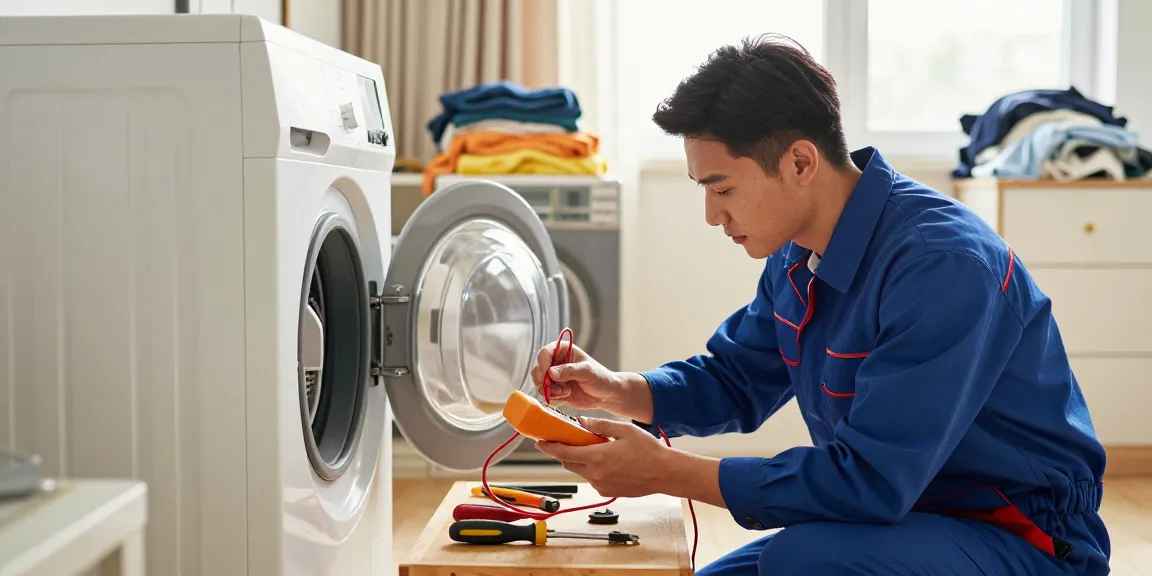
Before starting any troubleshooting, gather the following tools:
- Screwdriver set
- Multimeter
- Lint brush
- Circuit tester
Safety should be your top priority. Always disconnect the dryer from power before inspecting or repairing any components.
How to Conduct Basic Diagnostic Tests
There are several quick tests you can perform to determine the health of your dryer:
- Check the Power Supply: Ensure that the dryer is plugged in and the circuit breaker hasn’t tripped.
- Inspect the Lint Filter: Remove and clean the lint filter to prevent overheating.
- Run a Cycle Without Clothes: This can help you determine if the dryer drum is functioning properly.
When to Call a Professional for Dryer Repair?
While some issues can be resolved easily, certain problems require professional assistance. Call for help if:
- The appliance does not turn on or off.
- You hear loud clunking noises that you cannot identify.
- There's a burning smell or smoke.
- You notice any signs of water leakage.
Choosing the Right Dryer Repair Service
When your dryer breaks down, selecting the right repair service is crucial. Quality service can make a significant difference in the longevity of your appliance.
What to Look for in a Qualified Technician
Not all repair services are created equal. Here’s what to look for:
- Certification and Training: Ensure that technicians are certified and trained on a variety of dryer brands.
- Positive Reviews: Look for companies with high ratings and verified reviews, such as those available through Google.
- Experience: A technician with extensive experience will likely understand your dryer issues better.
Understanding Service Warranties and Guarantees
Evaluate the warranty conditions offered on repairs. A company that provides a warranty demonstrates confidence in its work. This is essential, especially for costly repairs.
Local vs. National Repair Services: Pros and Cons
Opting for local repair services may offer faster response times and more personalized customer service compared to national chains. However, national companies may have access to a wider range of parts and resources.
Preventative Maintenance Tips for Long-lasting Dryers
Regular maintenance can prevent many issues that lead to costly repairs. Committing to a few simple practices can extend the lifespan of your dryer significantly.
How Regular Maintenance Extends Appliance Lifespan
Performing regular maintenance helps to identify problems before they escalate. Consider scheduling professional maintenance at least once a year to keep your dryer running optimally.
Best Practices for Operating and Caring for Your Dryer
Follow these best practices to ensure the proper functioning of your dryer:
- Clean the lint filter after every use.
- Inspect and clean the dryer vent periodically.
- Avoid overloading the dryer.
Signs That Indicate It’s Time for Appliance Replacement
While repairs are often cost-effective, certain signs indicate that replacement may be the best option:
- Age of the dryer exceeds 10 years.
- Repair costs exceed 50% of the value of a new machine.
- Your dryer frequently breaks down despite repairs.
Future Trends in Dryer Technology and Repair Services
The appliance repair industry is evolving rapidly. With advancements in technology, dryers are becoming smarter and more efficient. Here are some trends to watch for in the coming years.
Innovative Features to Look for in 2026 Models
Newer dryer models are likely to include features such as:
- Smart sensors that adjust drying times based on load size.
- Remote monitoring capabilities via smartphone apps.
- Increased energy efficiency standards.
The Impact of Smart Technology on Appliance Repair
Smart appliances can often self-diagnose issues, providing users with error codes that make troubleshooting easier. This may reduce repair times and costs.
Anticipated Changes in Repair Costs and Services
As technology advances, the cost of parts may fluctuate. However, as more technicians are trained in new technologies, labor costs may stabilize.
What are Common Questions About Dryer Repair?
Understanding dryer repair can raise many questions. Here are some of the most frequently asked:
How Can I Reduce My Dryer Repair Costs?
To minimize costs, keep up with regular maintenance, promptly address minor issues, and use genuine parts for repairs.
What Should I Do If My Dryer Stops Mid-Cycle?
If your dryer stops mid-cycle, check for power supply issues, inspect the door latch, and consider calling a technician if problems persist.
How Often Should I Service My Dryer?
Typically, servicing your dryer once a year should suffice, but more frequent checks may be necessary depending on usage.
Are Aftermarket Parts Reliable for Dryer Repairs?
While aftermarket parts may save money, they often lack the reliability of manufacturer-approved components. Always use high-quality parts for repairs.