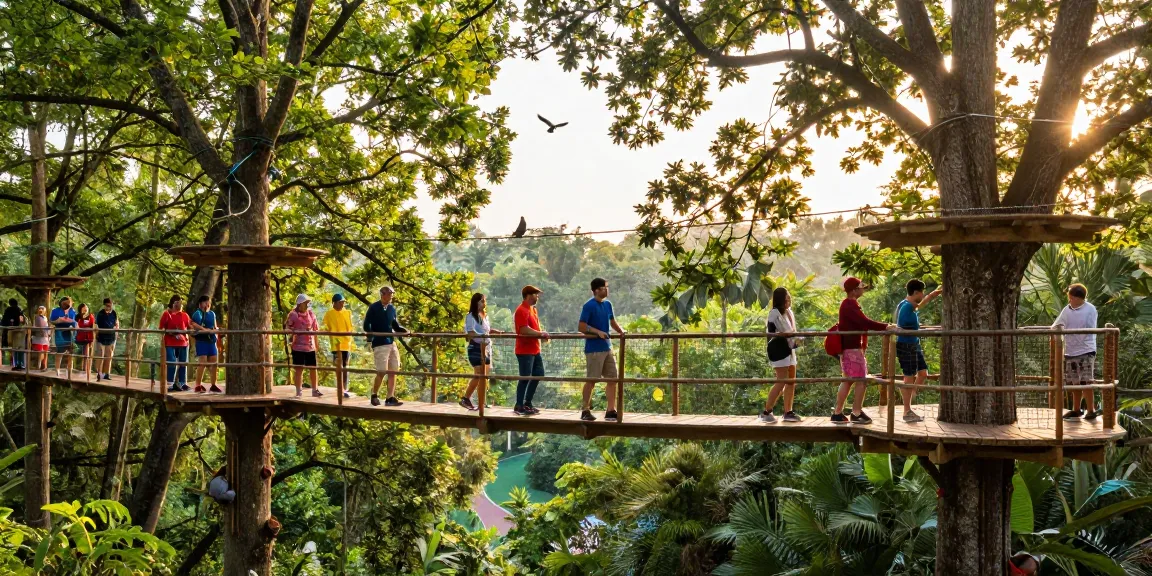
An Introduction to Treetop Walkways
As the world increasingly seeks immersive experiences in nature, Treetop Walkway installations are capturing the imagination of adventurers and nature lovers alike. These elevated pathways offer a unique perspective of the forest ecosystem, allowing visitors to explore the vibrant life hidden above the ground. Treetop walkways are not just structures; they represent a growing trend towards sustainable, eco-friendly tourism that respects and celebrates natural beauty. In this article, we will delve into the essence of treetop walkways, their history, benefits, and common misconceptions, while also highlighting the innovations shaping their future.
What is a Treetop Walkway?
A treetop walkway is an elevated pathway that allows visitors to walk among the branches of trees, typically at heights ranging from several metres to over a hundred feet above the forest floor. These structures are often constructed using a combination of wood, steel, and other durable materials, designed to blend harmoniously with the natural environment. They provide safe access to the forest canopy, offering spectacular views and a unique way to engage with nature.
The History and Evolution of Treetop Walkways
The concept of walking among the treetops can be traced back to various cultures that have revered trees as sacred symbols or integral parts of their landscape. However, the modern iteration of treetop walkways began in the late 20th century, with early examples in Europe and North America. Initially created for research purposes, these structures have evolved into popular tourist attractions.
One of the most notable examples is the Treetop Walkway at Royal Botanic Gardens in Kew, London, which opened in 2008. This walkway stands at 18 metres above the ground and stretches 200 metres through the treetops. Such developments have sparked interest globally, leading to a proliferation of treetop walkways in places like Canada, Australia, and Singapore.
Why Treetop Walkways are Gaining Popularity
In today's fast-paced world, people are increasingly seeking ways to disconnect from technology and reconnect with nature. Treetop walkways offer an accessible and engaging way for visitors to immerse themselves in the natural world. Furthermore, they promote environmental awareness, encouraging discussions around conservation and biodiversity.
Additionally, the scenic views afforded by these walkways often lead to stunning photography opportunities, drawing nature enthusiasts and social media influencers alike. The combination of physical activity, education, and aesthetic pleasure has made treetop walkways a hot spot for families, solo travelers, and adventure seekers.
Benefits of Treetop Walkways for Visitors
Immersive Nature Experiences Above the Forest Floor
One of the primary benefits of walking along a treetop walkway is the opportunity for immersive experiences within the ecosystem. Visitors can observe birds, insects, and various plant species from a vantage point that is rarely accessible without climbing. This unique perspective allows for a deeper understanding of forest dynamics and the importance of conservation.
Moreover, many walkways are designed with educational components, such as signs and interactive exhibits that inform visitors about local flora and fauna. This enriches the experience, transforming a simple walk into an enlightening journey.
Physical Health Benefits of Treetop Walks
Engaging with nature through walking is known to have numerous health benefits. Regular physical activity strengthens the heart, improves circulation, and enhances mental well-being. Treetop walkways provide a unique setting for this activity, as the combination of elevation and natural beauty encourages individuals to explore at their own pace.
Furthermore, exposure to nature has been linked to reduced stress levels and improved mood, making treetop walks particularly beneficial in today’s urbanised society. The act of walking outdoors can foster mindfulness, helping individuals disconnect and recharge.
Expanding Accessibility for All Ages
Modern treetop walkways are designed with inclusivity in mind, often featuring ramps, lifts, and smooth surfaces that make them accessible to visitors of all ages and abilities. This focus on accessibility means that families with young children, seniors, and those with mobility challenges can enjoy the beauty of nature without barriers.
By providing safe and inclusive routes, treetop walkways encourage a wider audience to engage with the natural world, promoting environmental stewardship across generations.
Common Challenges and Misconceptions
Are Treetop Walkways Safe for Children and Elders?
Safety is a paramount concern for visitors, particularly families. Treetop walkways typically adhere to stringent safety regulations, employing sturdy materials and comprehensive design testing to ensure stability. Many walkways include handrails and regular inspection protocols to maintain safety standards.
While walking at height may seem daunting, the designs are intended to create a secure experience that allows families to enjoy nature together. Children are often captivated by the adventure, and many walkways provide educational content specifically tailored for younger visitors.
Environmental Impact Concerns
Some critics argue that building treetop walkways may disrupt wildlife and the natural environment. However, many modern designs aim to minimise ecological impact through careful planning and sustainable practices. This includes using local materials, avoiding high-impact areas, and conducting biodiversity assessments before construction.
In addition, these walkways can serve as conservation tools, raising awareness about local ecosystems and providing vital funding for conservation efforts through entrance fees and educational programs.
Overcoming the Fear of Heights
For many, the idea of walking high above the ground can induce anxiety. However, treetop walkways are designed to offer an experience that feels secure and comfortable. Many paths are broad and lined with barriers, easing the discomfort often linked with heights.
Visitors can gradually acclimatise to the height, taking time to appreciate the stunning views without feeling rushed. Guided tours often help alleviate fears, as knowledgeable guides provide context and reassurance about safety measures in place.
Best Practices for Enjoying Treetop Walkways
Preparing for Your Visit: What to Bring
To make the most of your treetop walkway experience, preparation is key. Comfortable footwear is essential, as visitors will likely be walking for a significant duration. Weather-appropriate clothing is also crucial, as conditions can change rapidly in forest environments.
- Camera: Capture memorable moments and stunning vistas.
- Water bottle: Stay hydrated during your adventure.
- Snacks: Pack light snacks to keep energy levels up.
Respecting Nature: Leave No Trace Principles
Practicing Leave No Trace principles is vital to preserving the natural beauty of the areas surrounding treetop walkways. Visitors should refrain from littering, stay on marked paths, and avoid disturbing wildlife. Respect for the ecosystem ensures that future generations can also enjoy these beautiful spaces.
Photography Tips for Capturing Scenic Views
When exploring treetop walkways, photography can enhance the overall experience. Here are some tips for capturing stunning images:
- Use natural light: Early morning or late afternoon offers the best light for photography.
- Focus on composition: Look for interesting angles that highlight the beauty of the surroundings.
- Incorporate movement: Capture the sway of trees or animals in motion to create dynamic images.
The Future of Treetop Walkways: Trends and Innovations
Emerging Treetop Walkway Designs Worldwide
As interest in treetop walkways grows, innovative designs are emerging globally. New installations are incorporating local culture and architectural styles, reflecting the uniqueness of their environments. For example, some walkways are designed to mimic the natural curves of trees, making them more aesthetically pleasing and harmonising with the landscape.
Integrating Technology for Enhanced Experiences
Technology is also playing a significant role in the evolution of treetop walkways. Many sites are now integrating augmented reality experiences that provide visitors with interactive educational opportunities. Apps that guide users along the walkways can offer insights into the ecology and history of the area, enriching the visitor experience.
Predictions for Treetop Walkways by 2026
The future of treetop walkways looks promising, with widespread adoption expected as eco-tourism continues to grow. By 2026, we may see a rise in multi-sensory experiences that combine visual beauty with auditory and even olfactory elements. Additionally, walkways that incorporate sustainable energy solutions, such as solar panels, will further enhance their environmental credentials.
What makes a Treetop Walkway unique?
Treetop walkways are unique due to their elevated structures that provide a distinct viewpoint of the forest ecosystem. This perspective allows visitors to engage with nature from a new angle, experiencing the sights and sounds of the treetops in a way that's not possible from the ground.
Are Treetop Walkways accessible for everyone?
Modern treetop walkways are increasingly designed with accessibility in mind, featuring ramps and gentle slopes to accommodate visitors of all abilities. Many sites are proud of their inclusive designs, ensuring that everyone can enjoy the experience regardless of mobility.
How long do Treetop Walkways usually last?
The lifespan of a treetop walkway can vary depending on construction materials, maintenance, and environmental conditions. Generally, well-constructed walkways can last for decades with proper care and regular inspections to ensure safety and durability.
What should I wear to a Treetop Walkway?
Comfortable and weather-appropriate clothing is recommended for a trip to a treetop walkway. Sturdy footwear is crucial, as paths can be uneven. Depending on the weather, layers may be advisable to adjust for temperature changes.
How do I find the nearest Treetop Walkway?
Many online resources list treetop walkways by region, often including reviews and visitor information. Local tourism websites are also valuable for discovering nearby options, helping you plan your next immersive nature experience.