Understanding the Importance of Early Childhood Education
The childhood years are foundational for cognitive and emotional development. Research indicates that the first five years of a child's life are critical for establishing the building blocks of learning, social interaction, and emotional growth. Early childhood education, particularly at institutions like Pegasus International Preschool, offers children the opportunity to explore, inquire, and learn within a safe and nurturing environment. When exploring options, kindergarten near me can provide comprehensive insights into quality educational experiences.
Why Choose a Kindergarten Near Me?
Choosing a kindergarten near your home not only eases the daily commute but also establishes a sense of community. Local kindergartens typically understand the cultural and societal needs of the area, offering tailored approaches to education that resonate with local families. Proximity allows for greater parent involvement and fosters enduring friendships among children, creating a supportive network crucial for young learners.
The Role of Inquiry-Based Learning in Early Development
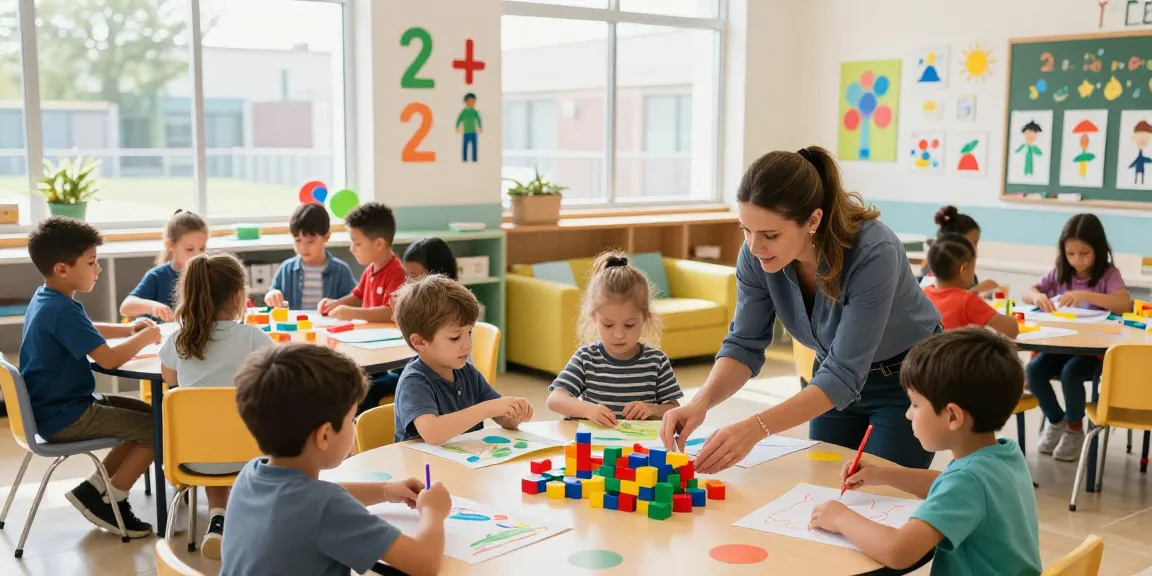
Inquiry-based learning emphasizes children’s natural curiosity, encouraging them to ask questions and explore. This method moves away from traditional rote learning, enabling students to engage deeply with the material. At Pegasus International Preschool, children are encouraged to experiment, investigate, and draw conclusions, laying a strong foundation for critical thinking skills that are essential in today's rapidly changing world.
Benefits of Holistic Education Approaches
A holistic education approach recognizes that learning extends beyond academic achievement. It nurtures emotional, social, physical, and cognitive growth, preparing children for all aspects of life. At Pegasus, the curriculum is designed to foster not just intellectual skills, but also emotional intelligence and social interaction, ensuring well-rounded development.
Choosing the Right Kindergarten for Your Child
When selecting a kindergarten, parents should consider various key factors to ensure their child’s needs are met. The right kindergarten can significantly influence a child's attitude towards learning and peer interaction.
Key Factors to Consider When Searching for Kindergartens
- Curriculum philosophy: Look for institutions that align with your educational philosophy—whether it be inquiry-based, play-based, or structured learning.
- Teacher qualifications: Educators should be well-trained, experienced, and capable of fostering a supportive learning environment.
- Class size: Smaller class sizes often mean more personalized attention for each child.
- Location: Accessibility can influence daily routines and parental involvement.
Evaluating Programmes and Curriculum Offers
When evaluating kindergartens, it's crucial to review their curriculum offers. Programs that incorporate hands-on learning experiences, outdoor activities, and arts foster creativity and critical thinking. Additionally, a diverse curriculum that includes language learning and cultural awareness can set the stage for a global perspective in children.
Importance of Location and Community Engagement
Choosing a kindergarten that is situated within a vibrant community can enhance a child's educational experience. Local engagement and community activities can reinforce the learning process and instill values of cooperation and understanding from an early age.
The Process of Inquiry-Based Learning
Inquiry-based learning transforms the traditional learning landscape by promoting curiosity and exploration. It encourages children to ask questions and seek out answers, making learning a more dynamic and engaging process.
Defining Inquiry-Based Learning in Early Education
Inquiry-based learning can be defined as an educational approach that emphasizes the child’s role in directing their own learning. This pedagogical method fosters engagement through exploration, experimentation, and inquiry, making it an ideal fit for early education settings.
Examples of Effective Inquiry-Based Activities
- Nature exploration: Activities that involve observing plants and animals allow children to ask questions about their environment.
- Hands-on science experiments: Simple experiments can instill a passion for scientific inquiry.
- Creative arts projects: Using art to express ideas helps children process their observations and thoughts.
Encouraging Creativity and Critical Thinking in Children
Fostering creativity and critical thinking is vital for children’s long-term success. Inquiry-based learning nurtures these skills by allowing children to engage with materials, ask questions, and reflect on their learning. Activities that encourage group collaboration may also stimulate these essential skills.
Parental Involvement in Early Learning
Parental involvement plays a significant role in reinforcing early learning. When parents actively participate, children tend to achieve better academic and social outcomes.
Strategies for Engaging with Your Child’s Education
- Regular communication with teachers to understand your child's progress and needs.
- Involvement in school activities, which can create a more profound bond between home and classroom.
- Creating a home environment that values learning through reading, exploration, and creative play.
Building a Supportive Home Learning Environment
A supportive home learning environment is crucial for reinforcing the lessons learned in kindergarten. Parents can foster a love for learning by providing resources like books, educational games, and opportunities for exploration.
Collaboration Between Parents and Educators
Effective collaboration between parents and educators ensures that children receive consistent messages about the importance of learning. This partnership can enhance educational outcomes and create a robust support system for children.
Future Trends in Early Childhood Education
As education continues to evolve, several trends are shaping the future of early childhood education, making it imperative for kindergartens to adapt to these changes.
Innovations in Preschool Learning Environments
Innovative learning environments that incorporate technology, flexible learning spaces, and nature-based curricula are gaining momentum. These enhancements aim to create dynamic, engaging, and effective learning conditions for young children.
Global Perspectives on Early Childhood Education
Embracing global educational practices can enrich local curriculums. Exposure to different teaching methodologies and perspectives can ensure that children are well-prepared for a diverse world.
Preparing Children for Lifelong Learning Beyond Kindergarten
The goal of early childhood education should be to instill a love for lifelong learning. Programs that emphasize inquiry, creativity, and interpersonal skills prepare children not just for primary education, but for their future roles in society.
What Should Parents Know About Kindergarten Options?
Parents should research and understand the variety of kindergarten options available. It's essential to investigate each program's educational philosophy, curriculum, and overall environment to find the best fit for their child's unique needs.
What Can You Expect from a Quality Kindergarten Experience?
A quality kindergarten experience involves more than a robust curriculum; it also includes a nurturing environment where children feel safe and excited to learn. The best programs create an atmosphere of encouragement and support, allowing children to thrive.
How to Support Your Child’s Transition to Primary School?
Transitions can be challenging, but parents can support their children by discussing what to expect, visiting the new school, and encouraging independence while maintaining a supportive home environment.
Why is Socialization Important in Early Childhood Education?
Socialization is crucial for developing communication skills and emotional intelligence. Engaging with peers helps children learn cooperation, empathy, and conflict resolution, all of which are vital for future success.
How Do Different Learning Styles Impact Kindergarten Learning?
Understanding that children have different learning styles—visual, auditory, kinesthetic—helps educators tailor their approaches. Recognizing these differences can enhance engagement and facilitate more effective learning experiences.
What Are the Benefits of Multilingual Education in Kindergarten?
Multilingual education fosters cognitive flexibility, cultural awareness, and social adaptability. Programs that incorporate multiple languages prepare children to thrive in an increasingly connected world.