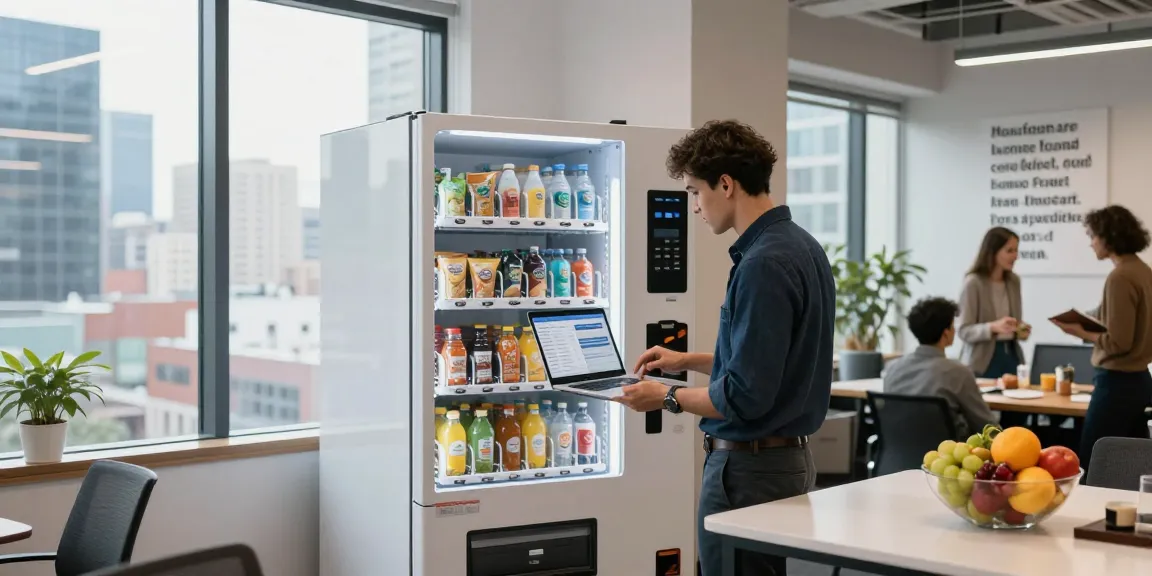
Understanding Vending Machine Profitability
Vending machines have become a staple in various environments, from offices to airports, serving a variety of products that cater to diverse consumer needs. As more entrepreneurs and businesses consider investing in vending machines, the question arises: are vending machines profitable? The profitability of vending machines often hinges on several factors, including location, product selection, and market trends. Understanding these elements is crucial for anyone looking to enter this industry.
When exploring options, are vending machines profitable is a compelling question that many potential operators seek to answer. The right approach can lead to significant financial returns, making vending machines an attractive business venture.
What Makes Vending Machines Profitable?
Several key aspects contribute to the profitability of vending machines:
- Location: This is arguably the most critical factor in determining profit margins. Machines placed in high-traffic areas, such as schools, hospitals, and offices, tend to generate more sales.
- Product Selection: Offering popular and high-demand products can significantly increase sales. Health-conscious options, snacks, and beverages that appeal to a broad audience are often successful.
- Operational Costs: Minimizing costs related to equipment, maintenance, and restocking can enhance profitability. Efficient management can lead to higher margins.
Common Misconceptions About Vending Machines
Many people assume that vending machines are an effortless source of income. However, this perception is misleading. Here are some common misconceptions:
- It’s “set it and forget it”:While vending machines require less oversight than some businesses, they still need regular maintenance and restocking.
- High turnover leads to high profits: While product turnover is essential, it doesn't always guarantee high profits if the costs are not managed effectively.
- Vending machines can only hold snacks: The product range is vast, including healthy options, electronics, and even personal care items.
Key Factors Influencing Vending Machine Success
To ensure success in the vending machine business, consider the following factors:
- Market Research: Understand the demographics and preferences of the potential customers in your chosen location.
- Product Rotation: Regularly update the product offerings based on sales data and consumer trends.
- Technology Adoption: Implementing cashless payment systems can enhance convenience and increase sales.
Market Trends in Vending Machines for 2026
The vending machine market is evolving rapidly, driven by consumer preferences and technological advancements. Here's what to expect in 2026:
Emerging Health-Conscious Trends in Vending
As consumers become increasingly health-conscious, vending machines are adapting to meet these demands. More operators are introducing healthier snack options, including organic and low-calorie products. Sustainability and sourcing also play a big role, with businesses opting for eco-friendly packaging and local suppliers to appeal to environmentally-minded consumers.
Technology Innovations Impacting Vending Profitability
Technological advancements are reshaping the vending landscape. Smart vending machines equipped with IoT (Internet of Things) capabilities provide valuable data on customer preferences and inventory levels. Cashless payment methods, including mobile wallets and contactless cards, are enhancing customer convenience, which can lead to increased sales and improved cash flow.
Consumer Preferences: What Are Customers Looking For?
In the upcoming years, understanding consumer preferences will be paramount. Today’s consumers expect more than just convenience; they want variety and quality. Offering a diversified portfolio that includes fresh foods, beverages, and even local artisanal products can set vending businesses apart from competitors.
Starting Your Vending Machine Business
Entering the vending machine industry involves several steps, starting with thorough research and planning.
Choosing the Right Location for Maximum Profit
Location is fundamental to the success of any vending machine business. High-traffic areas such as schools, gyms, and office buildings should be prioritized. Conducting foot traffic analysis and understanding the demographic profile of the area will help in selecting the ideal spots for vending machines.
Initial Costs and Potential Return on Investment
Starting a vending machine business requires an understanding of the initial costs involved. These can include the price of machines, product inventory, and location rental fees. However, the potential return on investment can be significant, especially when machines are strategically placed and stocked with popular items.
Licenses, Permits, and Regulatory Considerations
Before starting, ensure that you are aware of the local regulations surrounding vending operations. This may include acquiring specific licenses and permits. Compliance not only prevents legal complications but also builds credibility among consumers.
Optimizing Your Vending Machine Operations
Once your business is established, optimizing operations becomes vital to maintain profitability.
Inventory Management for Sustained Profitability
Effective inventory management is crucial. Keeping track of sales data can help identify which products sell well and which do not. Consider implementing inventory management software or apps that can streamline this process and prevent overstocking or stockouts.
Adapting to Consumer Feedback for Better Sales
Listening to consumer feedback is essential for evolving your product offerings and improving customer satisfaction. Surveys or direct feedback mechanisms can provide insights into what consumers like or wish to see changed.
Marketing Strategies to Enhance Visibility and Sales
Marketing your vending machines can significantly improve visibility and sales. Implementing loyalty programs, social media advertising, and promotional discounts can attract more customers. Ensure that your branding is clear, appealing, and consistent across all platforms.
Measuring Success and Scaling Your Business
As with any business, measuring success is essential in the vending machine industry. This will help in identifying areas for growth and improvement.
Key Performance Indicators for Vending Operations
Establish key performance indicators (KPIs) that reflect the health of your business. Metrics such as sales per machine, average transaction value, and product turnover rates are vital to understanding your overall performance.
When to Expand: Signs Your Vending Business is Ready
Knowing when to expand is crucial for growth. Signs that your vending business is ready for expansion include consistent profitability, low operational costs, and a solid customer base. Analyzing market trends can also provide insights into the right timing for growth.
Future Trends in Vending Machines to Watch
The future of vending machines looks promising with innovations on the horizon. Trends to watch include the rise of smart vending technologies, increased focus on sustainability, and the integration of personalized customer experiences through data analytics. Staying abreast of these trends can position your business favorably in the competitive landscape.
What are the initial costs of starting a vending machine business?
The initial costs can vary significantly depending on the type and number of machines you decide to purchase, as well as the locations you choose. Generally, you should budget for machine acquisition, product inventory, permits, and maintenance.
How do I choose the best products for my vending machine?
Research consumer preferences and choose products that sell well in your chosen locations. Fast-moving consumer goods, snacks, drinks, and health-conscious items are often good bets.
What locations yield the highest profits for vending machines?
High-traffic locations such as schools, hospitals, and office complexes usually yield the highest profits. Analyze foot traffic and demographic data to identify the best spots.
How often should I restock my vending machines?
Restocking frequency depends on sales velocity. Regular monitoring of inventory levels can help you determine when to restock, ensuring that popular items are always available.
What recent technology trends impact vending machine profitability?
Recent technology trends such as cashless payments, smart inventory management systems, and customer engagement analytics have a significant impact on profitability by streamlining operations and enhancing customer experiences.