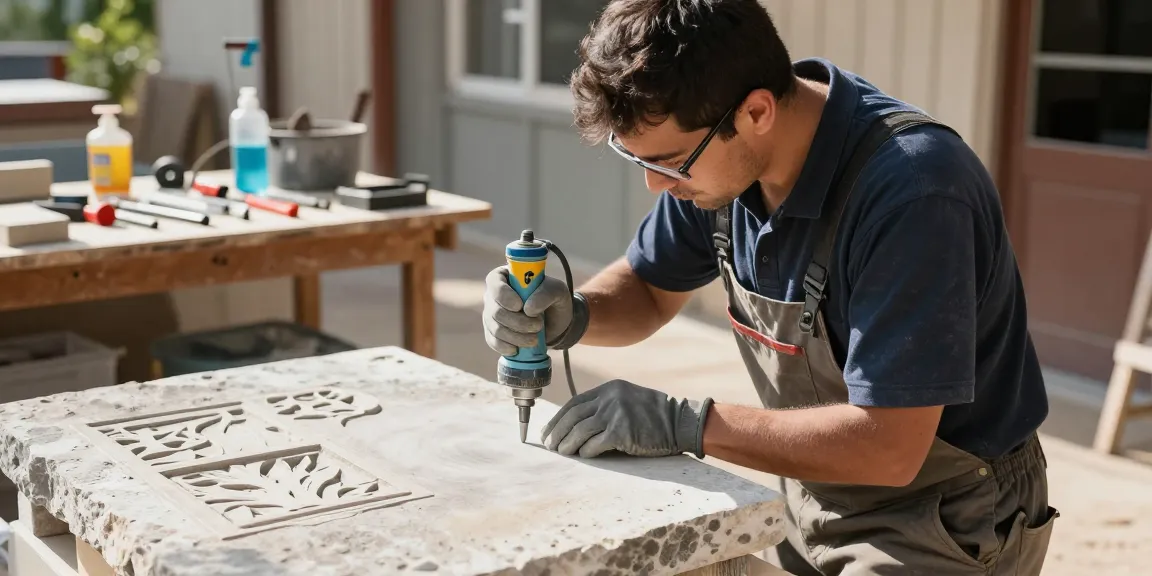
Understanding Your Stencil for Sandblasting Needs
When it comes to sandblasting, having the right stencil for sandblasting is of utmost importance for achieving precise and professional results. Homeowners, contractors, and local businesses alike rely on quality stencils to ensure efficiency and accuracy in their projects. A well-designed stencil not only saves time and materials but also enhances the overall quality of your sandblasting work. This article delves into the essential characteristics of effective stencils, the significance of adhesion, popular applications in various local industries, and tips for selecting a reliable service provider.
What Makes a Quality Stencil?
A quality stencil for sandblasting should exhibit several key features that ensure effectiveness and ease of use. First and foremost, the material should be durable and flexible, capable of maintaining its shape under the demands of the blasting process. The 723 Series offered by U-Blast Stencil, for instance, is crafted with high-tack adhesive and designed for both smooth and uneven surfaces, making it an incredible choice for various applications.
Moreover, the stencil should have an optimized thickness to allow for the right amount of adhesion without compromising the level of detail in the final design. This is especially crucial in industries where precision is paramount, such as aerospace, metal applications, and monument engraving. Additionally, a good stencil should be easy to clean after use, ensuring that you can quickly switch between projects without losing productivity.
The Importance of Adhesion in Sandblasting Stencils
The adhesive strength of a stencil directly affects its performance during the sandblasting process. High adhesion prevents lifting or shifting, ensuring that your designs remain intact even under intense blasting conditions. The 723 Series is specifically designed for heavy-duty applications, boasting a high-tack adhesive that is ideal for rough stone and other challenging materials.
It's important to note that while aggressive adhesion is beneficial for keeping the stencil in place, testing the product beforehand is recommended to ensure compatibility with your specific blasting medium and surface type. Failure to do so can result in uneven results and wasted materials, negating the benefits of using a quality stencil.
Common Uses for Sandblasting Stencils in Local Industries
Sandblasting stencils find applications in a variety of industries, showcasing their versatility and effectiveness. Some of the most common applications include:
- Aerospace and Defence: Precise designs and markings required for safety and identification.
- Monuments: Delicate engravings that require high accuracy and durability.
- Industrial Manufacturing: Stenciling parts and components for high-quality finishes.
- Oil & Gas: Marking pipelines and ensuring compliance with regulations.
- Signage & Engraving: Creating visually appealing signs that stand the test of time.
How to Choose a Reliable Local Provider
Selecting a trustworthy service provider is critical for any sandblasting project. Here are the factors to consider when searching for a local contractor:
What to Look for in a Trusted Professional Contractor
When looking for a provider, it’s essential to evaluate their qualifications. Check if they are licensed, bonded, and insured. A licensed contractor demonstrates compliance with local regulations, while insurance coverage protects you from liability in case of accidents during the project. Look for testimonials or reviews from previous clients to gauge their reputation and reliability in your community.
Questions to Ask Before Hiring for Sandblasting Services
Before committing to a contractor, ask the following questions to ensure you make an informed decision:
- What types of materials and stencils do you specialize in?
- Can you provide examples of previous work?
- What is your average turnaround time for projects?
- Are you familiar with the latest industry standards and regulations?
- What is your policy on warranty and customer satisfaction?
Comparing Local Providers: Cost and Quality
Finding the right balance between cost and quality is crucial. While it may be tempting to go with the lowest bidder, consider the long-term implications of hiring a service that doesn't meet your quality standards. Get multiple estimates and compare what services are included. A reputable contractor will provide a detailed breakdown of costs, including labor, materials, and any potential additional charges.
Pricing Guide for Stencil Services
The cost of stencil services can vary significantly based on several factors, including material used, level of detail required, and the specific applications involved. Below is a comprehensive breakdown of pricing considerations:
Understanding Cost Factors: Material and Labor
Pricing for stencil services generally consists of material costs and labor fees. Materials can include the type of stencil required—whether it be a single liner like the 723 Series, or more complex options. Labor rates may vary based on the expertise of the contractor and geographical location, which can influence overall costs in your area.
Average Pricing for Stencil Services in 2026
As of 2026, homeowners and businesses can expect to pay anywhere from $100 to $500 for basic stencil sandblasting services, depending on project size and complexity. Complex designs or large formats may increase costs significantly, potentially reaching to $1000 or more.
Hidden Costs in Sandblasting Stencils: What to Watch For
It’s essential to be aware of hidden costs that may not be included in your initial estimates. These can include fees for specialty materials, disposal of waste, and unexpected surface preparations needed before the sandblasting process begins. Always clarify with your contractor to ensure all potential costs are included in your service agreement.
Licensing and Insurance Requirements
Ensuring your sandblasting service provider complies with local licensing and insurance regulations is crucial for safeguarding your interests and ensuring quality workmanship. Here are some critical areas to focus on:
Why You Should Verify Your Stencil Provider’s Licenses
Licenses serve as proof that a contractor is qualified to perform the work required and is familiar with all relevant local laws and regulations. Lack of licensing can lead to poor workmanship and legal issues.
Understanding Local Regulations for Sandblasting Services
Different areas may have specific regulations governing sandblasting processes, including environmental controls, safety measures, and permitted materials. Familiarity with these regulations can protect you and ensure compliance with local laws.
Insurance Coverage: Why It Matters for Your Project
Always confirm that your provider has liability and worker's compensation insurance. This protects you from financial loss if an accident occurs on-site and ensures that workers are covered in case of injury.
Customer Reviews and Testimonials
Customer feedback serves as a valuable resource for assessing potential service providers. The experiences of others can inform your decisions and build confidence in your chosen contractor.
The Value of Community Feedback on Sandblasting Stencils
Local reviews can provide insights into the quality and reliability of a service provider, allowing you to understand their strengths and weaknesses. Pay particular attention to comments regarding project outcome and customer service.
How to Find Honest Reviews for Local Providers
To find reliable reviews, look at reputable online platforms or community social media groups. Independent review sites and Better Business Bureau ratings can also provide an authentic overview of a company’s credibility.
Building Trust with Customer Testimonials
Testimonials available on a contractor's website should ideally reflect a range of experiences and types of projects. Reach out to references provided by the contractor for firsthand observations on their service quality and professionalism.
FAQs
What are the different types of stencils available for sandblasting?
Various types of stencils are available, including single linings, multi-layer designs, and custom applications tailored to specific needs. Each type serves different purposes based on the intended application and surface material.
How can I ensure the right adhesion for my stencil project?
The right adhesion depends on the surfaces involved and the blasting techniques used. Always conduct a test application to verify that the chosen stencil adheres properly before proceeding with the entire project.
What should I expect from a professional sandblasting service?
Expect a comprehensive consultation, a detailed estimate based on your specific needs, and high-quality results. Professionals should adhere to safety regulations and provide ongoing communication throughout your project to ensure satisfaction.