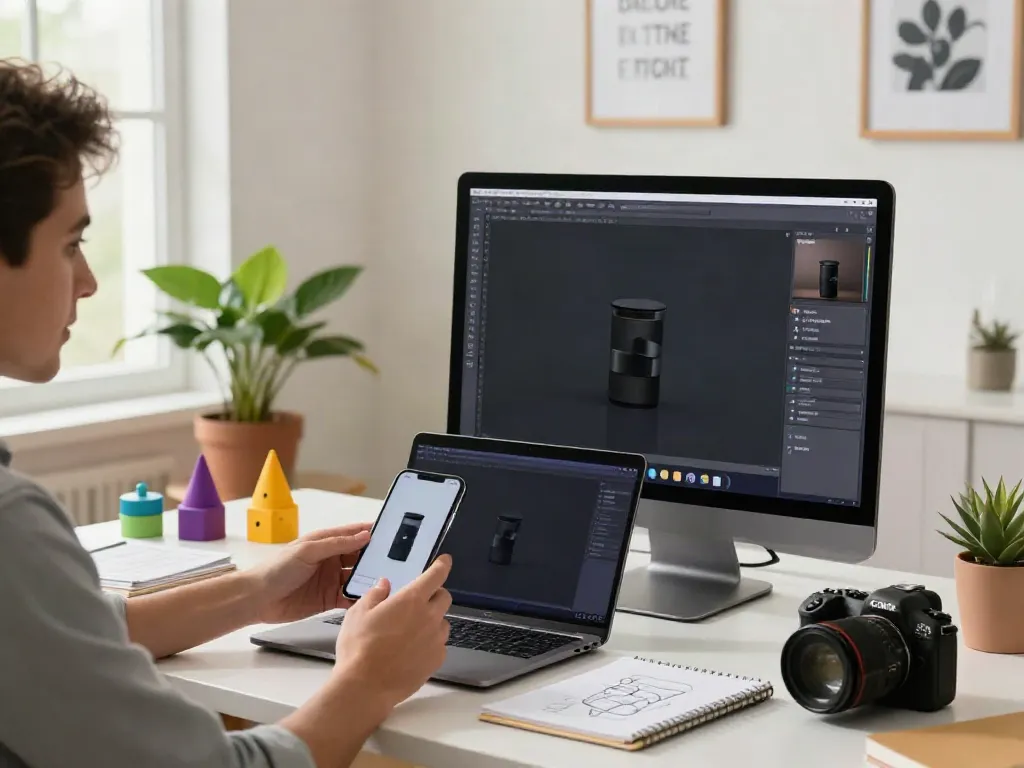
Understanding the Amazon Product Photo Generator
In the rapidly evolving world of e-commerce, visually appealing product photography is crucial for attracting potential buyers. One innovative solution making waves is the Amazon product photo generator, which streamlines the process of turning basic cellphone images into professional-grade product images. This tool is designed to assist online sellers in creating stunning visuals that not only enhance the aesthetic appeal of their listings but also increase conversion rates. With the right approach, sellers can effectively utilize AI technology to produce high-quality images that thoroughly represent their products.
What is an Amazon Product Photo Generator?
At its core, an Amazon product photo generator is an AI-driven tool that simplifies the process of generating product images. Users upload their existing photographs—often taken on smartphones—and the software transforms these images into polished, listing-ready product shots. This innovation eliminates the need for expensive photography sessions while ensuring that the resulting images adhere to the quality standards required for e-commerce platforms.
How It Works: Quick Overview
The operation of an Amazon product photo generator is remarkably straightforward. Users begin by uploading a photo of their product, which the AI analyzes to extract key features such as color, shape, and labeling. Users can then customize the output settings to specify aspects like background color and image format. Within minutes, the generator renders a series of professional-quality images that can be downloaded and directly integrated into product listings.
Benefits of Using AI for Product Photos
- Cost Efficiency: By minimizing the need for professional photography services, sellers can save significant amounts on production costs.
- Time-Saving: The process of generating high-quality images is expedited, allowing sellers to focus on other aspects of their business.
- Consistency: AI-generated images provide uniformity across product listings, enhancing brand identity and recognition.
- Customization Options: Users can tailor settings to achieve the desired look for their product images, making it easier to appeal to target demographics.
How to Create High-Quality Product Photos
Creating visually appealing product photos using an AI product photo generator involves understanding both the tools at your disposal and the fundamental principles of effective photography. The following sections will guide you through the process of capturing and transforming your product images.
Steps to Capture the Perfect Phone Photo
To ensure that the phone photo you upload yields the best possible results, consider the following steps:
- Lighting: Utilize natural light whenever possible. Position your product near a window during the day for optimal brightness.
- Background: Choose a plain background that does not distract from the product. This could be a white wall, a solid-colored surface, or fabric.
- Angle: Capture the product at eye level to present it in the best light. Ensure that all elements of the product are visible and well-framed.
- Focus: Make sure that the image is sharp and in focus, particularly when it comes to packaging details and labels.
Best Practices for Effective Product Photography
In addition to capturing high-quality photos, several best practices should be kept in mind:
- Consistency: Maintain a consistent style across all product images to create a cohesive brand experience.
- Detail Shots: Include close-ups of key features or labels to provide potential buyers with a better understanding of the product.
- Editing: While AI adjustments can enhance images, basic edits such as cropping and brightness adjustments can further improve the final product.
Common Mistakes to Avoid
As with any photography endeavor, there are pitfalls to avoid:
- Cluttered Backgrounds: Avoid busy or distracting backgrounds that can take attention away from the product.
- Poor Lighting: Steer clear of using flash, which can create harsh shadows and distort colors.
- Incomplete Product Representation: Ensure all visible parts of the product are included in the frame; cutting off elements can mislead customers.
Choosing the Right Settings for Your Product Photos
Once you’ve captured a high-quality phone photo, the next step is to utilize the settings available in the AI photo generator effectively. Adjusting these settings can greatly impact the final output image.
Understanding Output Settings in the Generator
Most Amazon product photo generators offer various output settings that users can customize. Understanding these options is key to achieving the desired look:
- Aspect Ratio: Common ratios include 1:1 for square images and 4:5 for portrait-oriented images. Choose based on where the photo will be used.
- Background Options: Select between pure white for a classic look or a customized background that may reflect the product's context.
- Quality Settings: Higher quality settings may take longer to generate but will yield more detailed images.
Customizing Your Image: Tips and Tricks
Customization can enhance the appeal of your product images:
- Descriptive Scenes: If your product fits a lifestyle theme, customizing the scene can add context and emotional appeal.
- Color Adjustments: Use any available color correction tools to ensure that the product's appearance matches real life.
- Text Overlays: Consider adding text overlays to highlight key features or promotions if the tool allows.
Setting Sunlight vs. Artificial Lighting
Choosing between natural sunlight and artificial lighting can significantly affect the quality of your product photos:
- Natural Light: Provides a soft, even illumination that is great for capturing true colors and reducing shadows.
- Artificial Light: Can be controlled more easily, but may require softboxes or diffusers to soften harsh shadows and highlights.
Maximizing Your Product Photo Potential
Once you have generated high-quality product images, leveraging them effectively in your Amazon listings can make a substantial difference in your sales performance.
Integrating Images into Your Amazon Listings
Effective integration involves strategically placing images within your Amazon listings. Ensure that the most compelling images are positioned at the top, and include a mix of lifestyle images, close-ups, and detail shots to engage potential buyers.
Using Photos to Enhance Your Brand's Identity
Consistent branding across your product images helps strengthen brand recognition and loyalty. Use similar styles, colors, and themes in your product photography to build a recognizable identity that resonates with your target audience.
Analyzing Metrics: What Makes a Good Product Photo?
Understanding how to analyze the effectiveness of your product photos can provide insights into future improvements:
- Click-Through Rates: Monitor how often your products get clicked on as a measure of image appeal.
- Conversion Rates: Track how many clicks translate into actual purchases; this is a key indicator of image effectiveness.
- Customer Feedback: Pay attention to any comments regarding product appearance in reviews; positive feedback can indicate effective imagery.
Future Trends in Product Photography with AI
The landscape of e-commerce continues to change rapidly, especially with advancements in AI technology impacting product photography. Staying aware of emerging trends can help sellers remain competitive.
The Evolution of AI Tools for E-commerce
As AI technology continues to develop, more sophisticated tools will emerge. These advancements may include enhanced editing capabilities, predictive analytics for image optimization, and even the ability to generate videos automatically from still images.
Predictions for 2026 and Beyond
By 2026, we can expect to see continued integration of AI across the e-commerce landscape, including:
- Real-Time Editing: Future tools may allow for instantaneous editing and adjustments to be made based on user feedback during the upload process.
- Augmented Reality Integrations: Sellers could leverage AR to give customers an engaging interactive experience with products before making a purchase.
- Advanced Personalization: AI may begin tailoring images not only for product representation but also for individual customer preferences.
Embracing Technology for Competitive Advantage
Businesses that adapt to technology trends in product photography will likely have a competitive edge. By incorporating AI-generated imagery into their marketing strategies, sellers can create more engaging content that drives sales and enhances customer experiences.
What New Features to Expect in Photo Generators?
As AI technology progresses, the following features may become standard in product photo generators:
- Template Libraries: A library of design templates could help sellers create unique, branded images quickly.
- Automated Tagging: AI may offer automated tagging of product features and benefits directly into images, enhancing searchability.
- Enhanced Analytics: Advanced analytic tools could provide deep insights into image performance metrics and customer behavior.
How User Feedback Shapes Future Developments
User feedback will be vital in guiding the evolution of AI photo generators. Understanding what features and functionalities users desire will help developers tailor their offerings to meet market demands effectively.