Understanding the Basics of Facial Analysis
Facial analysis technology has emerged as a revolutionary tool in the field of aesthetics, enabling individuals to gain insights into their facial features, proportions, and overall appearance. As we compare ClinicEvo vs QOVES, it's crucial to understand what facial analysis entails and the significance of its application. By employing advanced algorithms and AI-driven methodologies, these platforms provide users with data-driven assessments that can inform personal grooming and cosmetic enhancement decisions.
What is Facial Analysis and Its Importance?
Facial analysis is a process that utilizes technology to assess facial features, structure, and proportions. Its importance lies in its ability to offer objective evaluation and guidance for those seeking aesthetic improvements. With the rise of social media and the increasing emphasis on personal appearance, more people are turning to these analyses to enhance their confidence and attractiveness.
Comparing ClinicEvo and QOVES: Core Technology Insights
Both ClinicEvo and QOVES leverage cutting-edge technology to deliver facial assessments. ClinicEvo focuses on a personalized experience, employing machine learning to adapt recommendations based on user input and preferences. On the other hand, QOVES emphasizes a comprehensive analysis, providing a detailed report that covers various aspects of facial aesthetics. Understanding these differences can help potential users choose the right service for their needs.
Technological Innovations in Aesthetic Assessments
As the aesthetic industry evolves, the integration of technology becomes increasingly vital. Facial analysis platforms are at the forefront of this transformation, making significant strides in how individuals approach beauty and aesthetics.
AI and Machine Learning Applications in Facial Analysis
Artificial intelligence (AI) and machine learning have revolutionized facial analysis by enhancing the precision and personalization of assessments. Both ClinicEvo and QOVES utilize these technologies to identify unique facial traits and suggest tailored improvements. For example, AI algorithms can analyze symmetry, proportions, and feature dimensions, ultimately delivering a nuanced understanding of a person's appearance.
Real-Time Data Interpretation: How It Works
Real-time data interpretation allows users to instantly receive feedback on their facial features. Using high-resolution photographs, these platforms can quickly analyze and interpret complex data sets, translating them into actionable insights. This immediacy not only enhances user experience but also empowers individuals to make informed decisions regarding their aesthetic choices.
Comparative Strengths of ClinicEvo vs QOVES Technologies
While both ClinicEvo and QOVES use similar foundational technologies, their strengths vary significantly. ClinicEvo excels in user engagement and interface design, making it accessible for users unfamiliar with facial analysis. In contrast, QOVES offers more in-depth reports, appealing to clients seeking comprehensive data. Each platform has its unique advantages that cater to different user preferences and needs.
User Experience: Navigating the Platforms
For many, the entry point into the world of facial analysis is the user experience offered by these platforms. Understanding the navigation, design, and overall satisfaction can significantly impact one's decision to use these services.
Steps for Getting Started with ClinicEvo vs QOVES
Getting started with either ClinicEvo or QOVES is straightforward. Users typically begin by uploading high-quality images of their faces. From there, each platform guides them through a series of prompts or analyses that generate personalized reports. Understanding these initial steps can help potential users feel more comfortable and prepared to engage with the services.
Comparing User Interfaces: Accessibility and Design
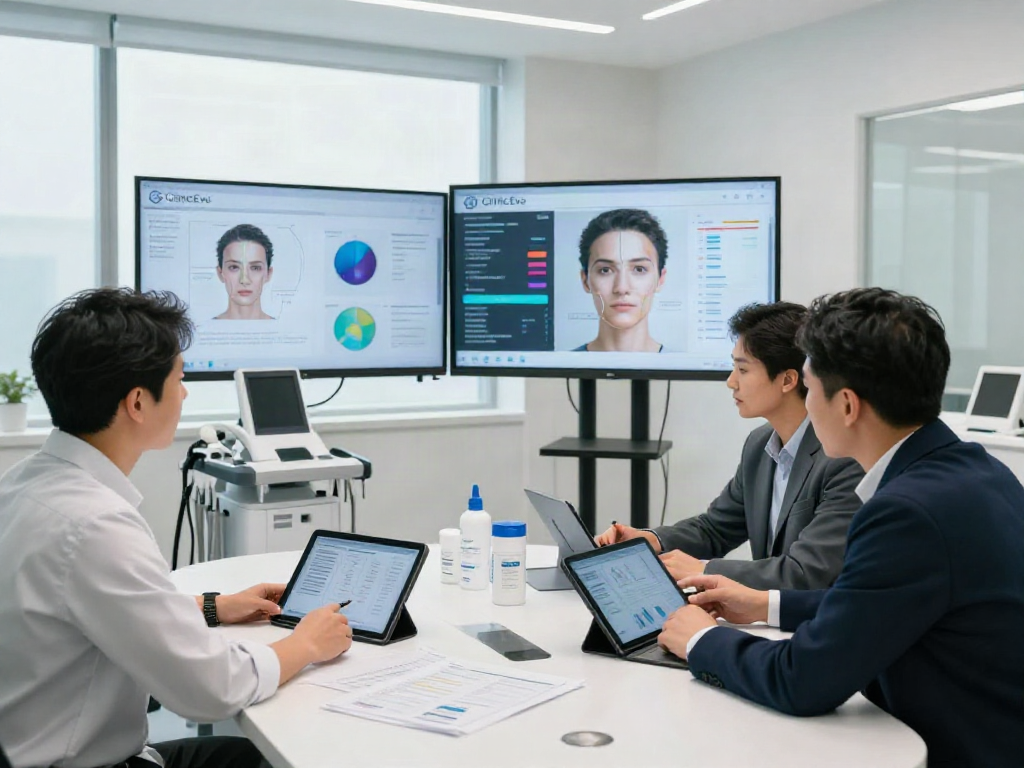
The design of a platform can make a significant difference in user experience. ClinicEvo’s interface is tailored for simplicity and ease of use, allowing newcomers to navigate the assessment process seamlessly. Conversely, QOVES offers a more data-rich interface, which may appeal to users looking for detailed information, yet can feel overwhelming for less tech-savvy clients.
Client Feedback and Satisfaction Ratings
User satisfaction is a critical indicator of a platform's effectiveness. ClinicEvo tends to receive high marks for its customer service and user-friendly interface, while QOVES is often praised for the depth of its analysis. Gathering and analyzing user feedback can provide valuable insights into what clients value most in facial analysis services.
Outcomes and Results in Facial Aesthetics
The ultimate goal of using facial analysis services is to achieve desirable aesthetic outcomes. Understanding how to measure these results is essential for potential users.
Measuring Success: Key Performance Indicators
Success in facial analysis can be measured through various key performance indicators (KPIs), including user satisfaction, the accuracy of assessments, and the effectiveness of recommended enhancements. Both ClinicEvo and QOVES continually evaluate these metrics to improve their offerings and user experiences.
Real-Life Case Studies: Success Stories from Users
Real-life testimonials and case studies can highlight the tangible benefits of facial analysis. Many users have shared their positive experiences with both platforms, showcasing significant improvements in their self-esteem and appearance through personalized recommendations. These stories serve as compelling evidence of the value of facial analysis in cosmetic enhancement.
Addressing Common Concerns and Misconceptions
Despite their advancements, there remain some misconceptions about facial analysis services. Users may worry about the accuracy of results, potential side effects, or anonymity concerning their images. Addressing these common concerns through transparent communication helps build trust and ensures potential clients feel confident in their decision to engage with these technologies.
Future Trends in Facial Analysis Technologies
As we look ahead to 2026, it's clear that the field of facial analysis will continue to evolve and adapt, driven by advancements in technology and changing consumer needs.
What to Expect in 2026: Innovations on the Horizon
The future of facial analysis technology is promising, with innovations expected to enhance user experience and analysis accuracy. Emerging trends may include augmented reality (AR) applications that enable users to visualize potential enhancements on their faces in real-time, making the analysis even more interactive and personalized.
The Growing Role of Personalization in Aesthetic Medicine
Personalization will play a crucial role in the future of aesthetic medicine. As users demand more tailored experiences, platforms like ClinicEvo and QOVES will need to adapt their algorithms and analysis reports to reflect individual preferences and characteristics. This trend is likely to result in increasingly sophisticated assessments and recommendations that align closely with each user’s unique facial features.
Industry Insights: Expert Predictions and Analysis
Industry experts predict that as facial analysis technology continues to advance, it will integrate more seamlessly with other aspects of health and beauty. This integration could lead to holistic treatments that consider not only facial aesthetics but overall wellness. Staying informed about these developments will be crucial for users looking to make the best choices in the evolving landscape of aesthetic enhancements.
What are the unique benefits of ClinicEvo compared to QOVES?
ClinicEvo offers distinct advantages over QOVES, particularly in its user-friendly interface and tailored recommendations. Users report that ClinicEvo's approach feels more personal and adaptable, making it an appealing choice for those new to facial analysis.
How does facial analysis work in cosmetic enhancements?
Facial analysis serves as a foundational tool in cosmetic enhancements by providing a detailed understanding of facial proportions and aesthetics. By leveraging this data, users can make informed decisions regarding cosmetic procedures, ensuring they enhance rather than detract from their natural features.
What can users expect during the analysis process?
During the facial analysis process, users can expect to upload images, receive data-driven assessments, and benefit from personalized recommendations based on their results. The experience is designed to be informative, empowering users to take an active role in their aesthetic journey.
Are there any side effects or risks associated with facial analysis?
Generally, facial analysis through platforms like ClinicEvo and QOVES is safe and non-invasive. However, users should be aware that their personal data needs to be handled sensitively, and they should check each platform's privacy policies to ensure their anonymity and data security.
How can users make informed decisions based on their analysis results?
Users should take the time to analyze their reports from either platform critically. By understanding their facial metrics, preferences, and the suggested enhancements, individuals can engage thoughtfully with aesthetic practitioners to achieve their desired outcomes.